
 +91 6295115701
 fitofine.in@gmail.com
 27A, Town Hall Para, Bardhaman, West Bengal
Office Worker Neck Pain: How Physiotherapy Can Relieve Desk Job Pain, Neck Stiffness & Shoulder Issues
If your day goes anything like mine used to, you sit down at 9:00 AM, blink and suddenly it is 4:00 PM. By the end of the day, your shoulders feel tight and your neck becomes stiff, the base of your skull feels like it is locked in a vise and turning to check your blind spot while driving hurts like crazy.
Desk jobs are brutal on the body. We were designed to walk, run and stretch-not to freeze in front of a monitor for eight hours straight. Over time, this sneaky static load wrecks the neck and shoulders, leading straight to chronic office worker neck pain.
The good news? You do not have to live on painkillers or accept stiffness as just part of having a desk job. Getting targeted physiotherapy for neck pain changes the game entirely, offering a permanent fix instead of a temporary band-aid.
Why Desk Jobs Destroy Your Neck and Shoulders
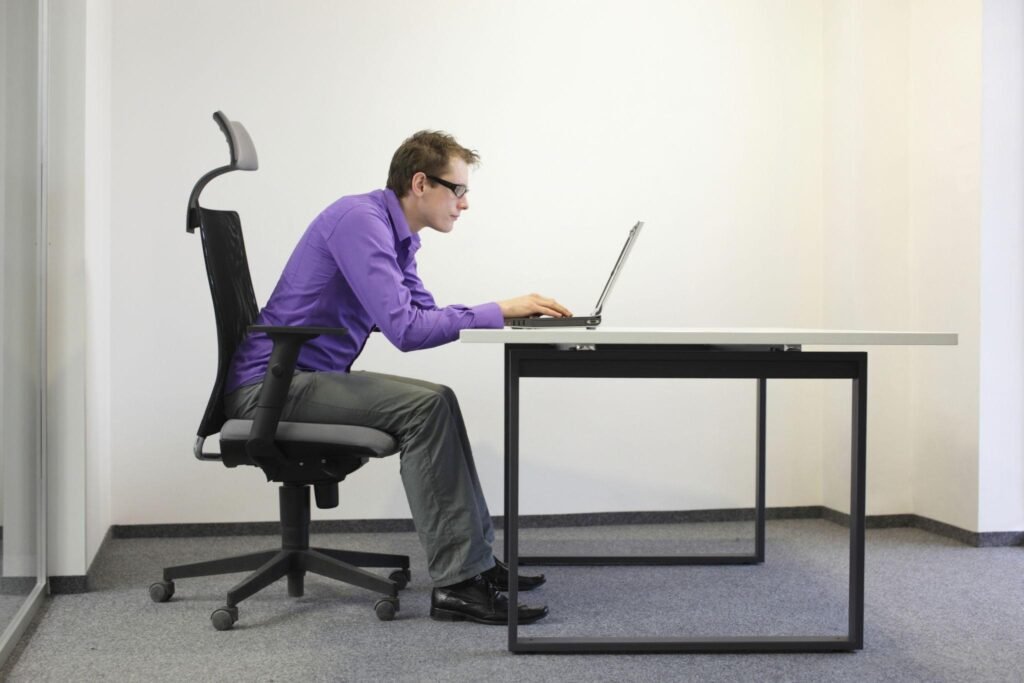
Let’s be honest: nobody sits with textbook military posture all day. Gravity wins, we get tired and we start slouching.
The main issue comes down to forward head tilt. Every single inch your head drifts out past your shoulders doubles the load your neck muscles have to carry. When you lean into a monitor all day, your neck stops supporting a normal head and starts straining against something heavy as a bowling ball.
That steady, low-level muscle squeeze sets off a few brutal side effects:
- Choking Off Blood Flow: When a muscle stays locked up for hours trying to keep you upright, it pinches tiny blood vessels. Starving that tissue of fresh blood and oxygen creates painful trigger points and deep exhaustion.
- Grinding Your Joints: Slumping jams the tiny joints in your cervical spine together or overstretches them. Over months and years, that friction turns into stiff, aching joints that hate moving.
- Pinching Nerves: Tight muscles and grumpy bone alignment can squeeze nerves traveling down into your arms, setting off weird tingling, numbness, or sudden zaps of sharp pain.
The Tell-Tale Signs of Office Worker Neck Pain
Desk-related damage doesn’t happen all at once. It sneaks up on you. You might be dealing with it if you notice:
- A dull, heavy ache across the upper back and neck by the time afternoon rolls around.
- Stiffness that restricts your range of motion-like finding it hard to look over your shoulder.
- Nasty tension headaches starting right at the skull base and creeping up around your eyes.
- Shoulder pain from sitting too long, felt as a deep, nagging ache near the top of the shoulder blade.
- That constant urge to crack your neck or have someone dig their elbows into your upper back just to get an hour of relief.
How Physiotherapy Fixes the Root Cause
Grabbing a heating pad or popping an ibuprofen feels nice, but it wears off fast because it doesn’t fix the underlying mechanics. That is where the experienced physiotherapists at Fit O Fine Physiotherapy Centre can help. Every treatment plan is designed to identify the root cause of your pain and restore normal movement safely.
Instead of just chasing symptoms, a good physio resets your movement patterns, frees up stuck joints and builds up the exact muscles you need to stay upright without thinking about it.
1. Hands-On Joint Work
When your neck and upper back joints lock up from static sitting, they rarely loosen just by resting. Through targeted manual therapy, mobilization and soft tissue work, a therapist can instantly release muscle spasms and get those joints moving smoothly again.
2. Fixing the Weak Links
Stretching is fine, but if your postural muscles are weak, you’ll just slump right back into pain. Physiotherapy brings in specific, low-load strengthening exercises for your deep neck flexors and upper back to help you hold a natural posture effortlessly.
3. Real-World Ergonomics
Your therapist will actually look at how you sit, where your monitor sits and how your keyboard is placed. Small layout tweaks can completely change how your body handles gravity during a long shift.
Simple Fixes You Can Try Today
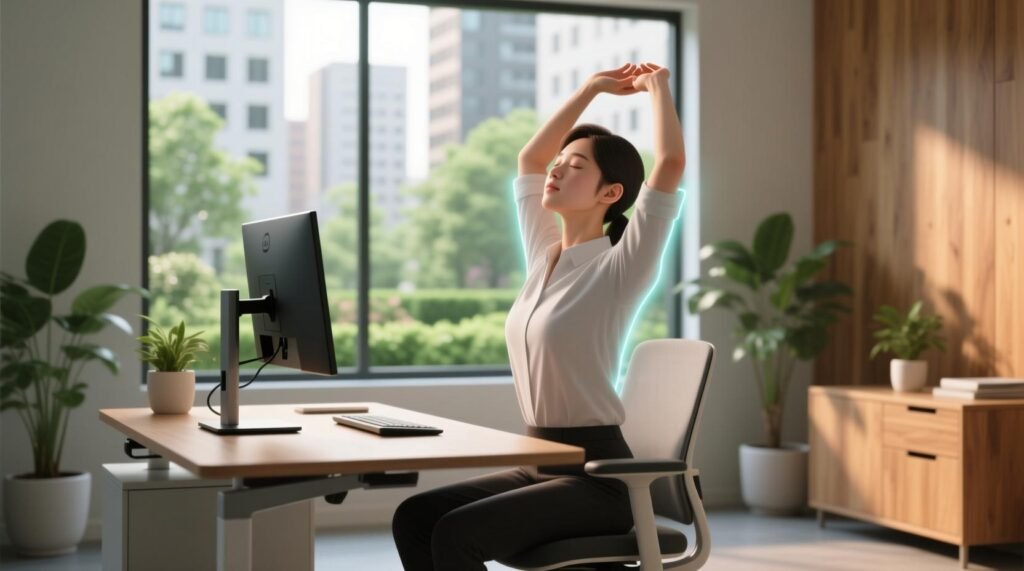
While seeing a professional is key for chronic issues, you can start breaking the cycle right now.
- Move Every 30 Minutes: Set a reminder to stand up, roll your shoulders back and look up at the ceiling. Just a tiny break flushes out metabolic waste and lubricates stiff joints.
- Do Chin Tucks: Sit tall, look straight ahead and pull your chin straight back like you are making a double chin (don’t down-tilt). Hold for 3 seconds, then relax. Do this 10 times to reset your neck alignment.
- Open-Book Rotations: Lie on your side, knees bent and open your top arm like a book to rotate your mid-back. This saves your neck by making sure your mid-back actually moves.
Get Back to Feeling Good
Living with constant daily aches zaps your energy and ruins your focus. You don’t have to just deal with stiffness as the price of doing a desk job.
By mixing some simple movement breaks into your day and working with professional physiotherapy for neck pain, you can undo the damage of sitting, build a stronger body and actually enjoy your evenings pain-free.
Frequently Asked Questions
Q1.Will my neck pain just go away if I take a couple of days off?
Honestly? Probably not for long. If a little weekend rest makes it feel better, that’s great-but the second you sit back down at your desk on Monday morning, the exact same ache usually creeps right back. Until you fix the underlying posture and weak spots, resting is just hitting the pause button.
Q2.How many trips to the physio am I looking at before I feel normal?
It totally depends on how long you’ve let the pain build up. That said, most people start feeling a massive difference within three to six sessions, especially once they combine the clinic work with a few minor tweaks to their desk setup.
Q3.Is it actually bad that I keep cracking my own neck to get rid of the stiffness?
It feels amazing in the moment, I get it. But constantly popping your own neck stretches out the ligaments over time and can actually make those joints more unstable. You’re much better off doing a proper mobility stretch instead of forcing a crack.