
 +91 6295115701
 fitofine.in@gmail.com
 27A, Town Hall Para, Bardhaman, West Bengal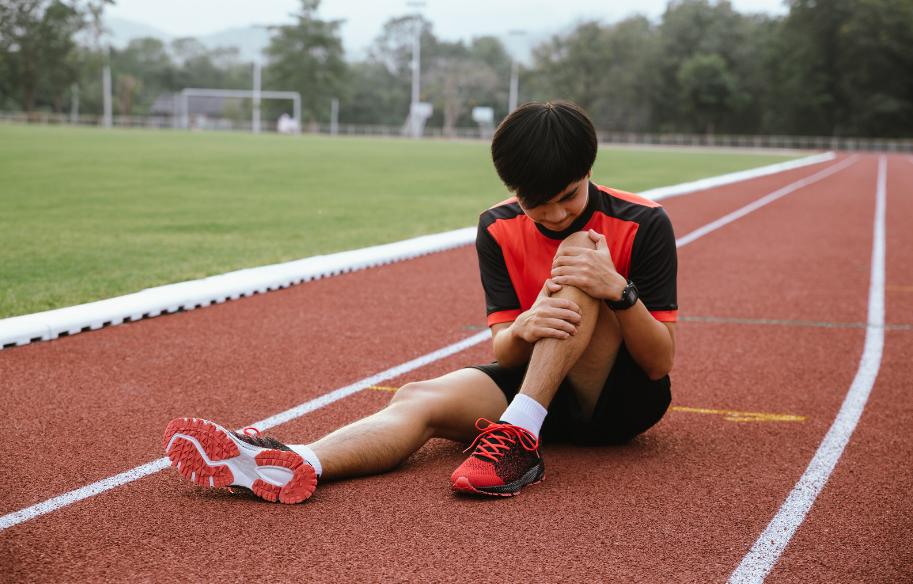
Knee Pain in Young Adults: Why It Happens and When to See a Physiotherapist
People in their twenties or thirties don’t really expect knee pain that lasts more than weeks or even months. Most of the thoughts revolve around the fact that only old people like people in their fifties or sixties go through knee pains, the people who have had decades of wear and tear, maybe some old injuries that are causing pain now.
And yet you are facing knee pain without any dramatic fall or accident. It just started on a random tuesday or maybe you can’t even pinpoint any specific moment it all began.
But the truth is knee pain in young adults is so much more common than many people believe. You tell the people around you about knee pain and they suggest you the same advice like put some ice or take an over-the-counter painkiller that is often a useless and temporary solution to that pain.

What Makes Young Adult Knee Pain Different and Others
When someone in their sixties has a sore knee, there’s usually a fairly straightforward story. Years of use, maybe some old damage that’s caught up with them, cartilage that’s gradually thinned over time. That makes sense. It follows a logic.
Young Adult Knee Pain Causes follow a completely different logic and that’s partly why they’re so confusing. Your joints aren’t wearing out. Something else is going on. And in most cases, what’s going on comes down to a mismatch between what your body is being asked to do and what it’s actually prepared to handle.
Picture the week honestly.
- Mostly sitting.
- Long hours at a desk for work or maybe hours of scrolling on your couch.
- Not much movement.
- Then at some point, a big gym session, a long hike, a football match with mates, something physically demanding that your body wasn’t really primed for.
The knee joint itself is often completely healthy. The muscles around it just haven’t been trained to share the load properly. So the joint absorbs more than it should and eventually it starts complaining about it.
Common Young Adult Knee Pain Causes Worth Knowing About
One of the most common types of knee pain in young adults is patellofemoral pain syndrome. I know the name sounds almost too terrifying. But what it simply mean is that your kneecap isn’t moving smoothly enough when the leg bends. It is usually because the hip or thigh muscles are weak and pulling it slightly off track without anyone realising. Sitting in one position for too long can cause this.
Iliotibial band syndrome is a thick band of connective tissue running down the outside of the thigh getting tight and cranky where it crosses the knee. Runners and cyclists know this one well but you don’t need to be either to get it. Then there’s patellar tendinopathy, which shows up below the kneecap and tends to hit people who’ve jumped back into training too fast after a break.
All of these are incredibly common. All of them sit under the umbrella of knee pain in young adults. And all of them get better with the right approach, which is the part worth holding onto.
The Surprising Role of Lifestyle and Movement Habits
Here’s the thing that catches most people completely off guard. A lot of the time, the knee isn’t really the problem. It’s just where the problem decided to show up.
Weak glutes, for example. Most people don’t think about their glutes in relation to their knees but the connection is huge. When the muscles around the hip aren’t strong enough to control movement, the knee ends up taking all that pressure with every single step. Even the way your feet sit on the ground feeds into this.
The knee is often just the last link in a very long chain of things that haven’t been quite right for a while. Which is actually good news, because it means fixing those things upstream tends to fix the knee too.
Signs That Something Needs Proper Attention
Here’s a rough way to think about it. Normal soreness from exercise fades within a day or two, doesn’t stop you getting around and doesn’t keep coming back in the same spot every time. If what you’re dealing with ticks any of those boxes, it’s past the just rest it stage.
- Swelling around the knee is worth taking seriously straightaway.
- Pain that wakes you up at night.
- A knee that suddenly gives way when you’re just walking normally.
- Any pop or snap that happened when it first started.
These things deserve a proper look, not another week of hoping for the best. And even without those specific red flags, if you’re quietly adjusting how you move through your day to avoid the pain, planning your route to skip stairs, sitting out things you’d normally do without thinking, that’s your body asking for help. It’s worth listening to it.
Physiotherapy for Knee Pain: What It Actually Looks Like
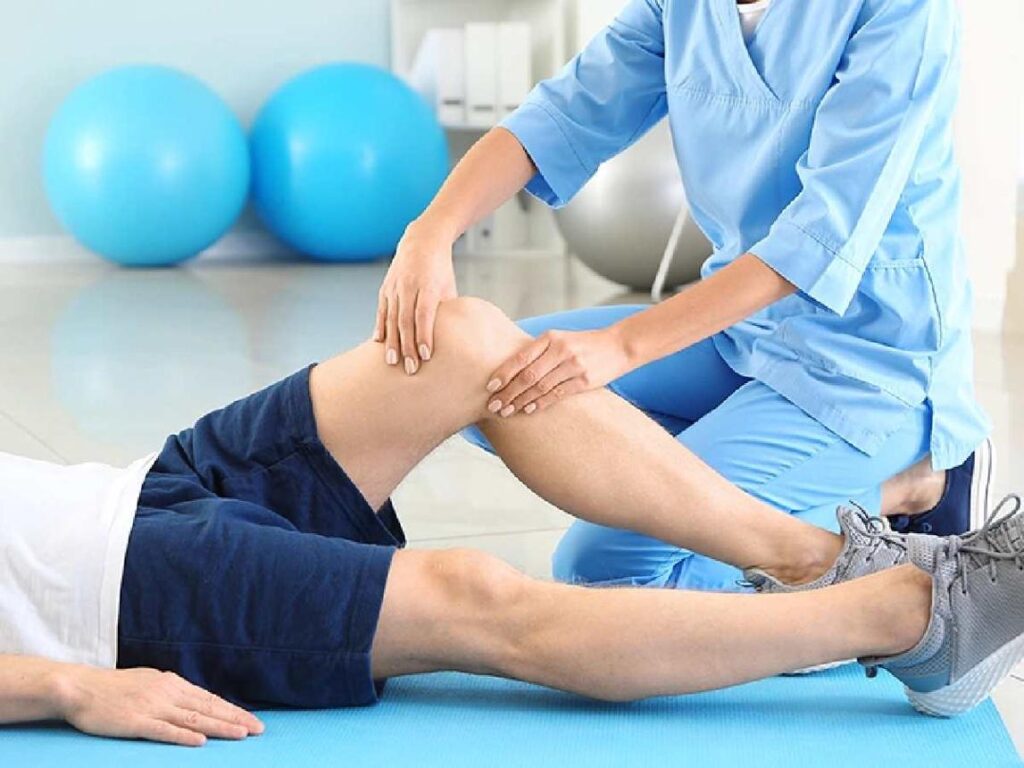
Be honest, when someone says physiotherapy, do you picture a slightly beige room and a laminated sheet of exercises? A lot of people do. That’s not really what good Physiotherapy for Knee Pain looks like though.
A good physiotherapist actually asks questions and checks movements to find the exact root cause of the pain. From that assessment, a treatment plan gets built specifically around what your body actually needs.
- Manual therapy to ease tight structures.
- Targeted exercises are given to rebuild the muscles that should’ve been supporting the knee all along.
- Clear, specific guidance on what you can keep doing versus what to back off from while things settle.
That guidance piece matters more than people realise, because one of the most common ways people stall their own recovery is by going too hard as soon as they feel a bit better and knocking themselves back to square one.
Why So Many Young Adults Wait Way Too Long
I kept thinking it would just sort itself out. Ask any physiotherapist and they’ll tell you they hear this constantly. And the frustrating thing is, it’s completely understandable. Young people are used to their bodies recovering. They’ve probably had sore muscles before that went away on their own.
So why would this be different? Sometimes it isn’t. Minor things do settle. But a lot of the time the knee pain that gets ignored for two, three, four months is exactly the kind of thing that would’ve responded well to a few weeks of proper treatment if someone had come in earlier. Instead it gets more stubborn, more compensated, harder to shift. There’s also the two-extreme problem.
A lot of young active people either push straight through the pain because stopping feels like failure, or they stop everything completely because they’re scared of making it worse. Neither of those is the right move. The first risks turning something manageable into something that actually does need more serious attention. The second weakens the supporting muscles and makes the knee more vulnerable, not less. The answer almost always lies in between those two options and figuring out exactly where is something you don’t have to guess at if you’re working with someone who knows what they’re looking at.
What You Can Do Between Appointments
This bit matters a lot more than people usually expect. The time spent in a clinic is a small fraction of the week.
- Everything else,
- the sleep,
- the movement,
- the exercises done at home,
- the choices about what to do or not do physically,
all of that feeds directly into how quickly things improve.
Following the rehabilitation exercises consistently is the big one. Not just on days when the knee feels bad. Especially on days when it feels fine, because that consistency is what creates actual lasting change rather than temporary relief.
Beyond that,
- warming up properly before any exercise,
- wearing shoes with decent support,
- being patient about returning to full training rather than rushing it,
- and keeping up hip and glute work as an ongoing habit rather than abandoning it once the pain goes,
these things don’t sound dramatic but they genuinely protect against the whole thing coming back again six months down the line.
When to Stop Waiting and Book a Proper Assessment
A few days of rest and ice when something first flares up is sensible. Nobody’s saying sprint to the clinic on the first day the pain appears. But there’s a point where waiting stops being reasonable.
- Two weeks with no real improvement.
- Pain that’s gradually getting worse rather than better.
- A sudden onset during exercise with swelling following soon after.
- A knee that feels unstable or gives way.
Any of these and honestly, book the assessment. Stop adding days to the waiting period. Most knee pain in young adults is genuinely manageable when it’s caught before it becomes a long-running issue and the earlier it gets looked at, the faster and more complete the recovery tends to be. Waiting doesn’t make the problem smaller. It usually just makes the solution take longer.
Final Thoughts
There’s something particularly annoying about having a body part let you down when you’re at an age where it really shouldn’t be happening. Knee pain in your twenties or thirties doesn’t just hurt, it gets in the way, it makes simple things complicated and it’s the kind of thing that people around you often don’t quite take seriously because you’re young and you look fine.
But it is something worth taking seriously and more importantly, it’s something that in most cases can be properly fixed. Not just managed or worked around, actually fixed. Understanding the Young Adult Knee Pain Causes behind what you’re feeling, getting a proper diagnosis and sticking with a plan that addresses the real problem rather than just the symptom, that’s what gets people back to moving without thinking about their knee every single time they bend it.
If you’re ready to actually deal with this rather than waiting another few weeks to see what happens, the team at Fit O Fine is ready to help you figure out what’s going on and build something that genuinely works for your life.
Frequently Asked Questions
1. Can knee pain in young adults develop without any injury?
All the time. A lot of it builds up slowly from muscle imbalances, overuse, or movement habits over months before it ever shows up as pain.
2. How long does recovery take with physiotherapy?
Mild cases caught early often feel genuinely different within four to six weeks. More established problems take longer but do respond well. Earlier always means faster.
3. Is it okay to keep exercising when your knee hurts?
Some movement is usually fine and even helpful. Training through sharp or worsening pain risks making things worse. The smart move is getting specific guidance rather than guessing.
4. Will rest alone sort it out?
It can calm things down temporarily. But without addressing what caused it, the pain tends to come straight back once normal activity resumes.