You catch a glimpse of yourself in a mirror or a side-profile photo—and there it is. A small, rounded mound of tissue sitting right at the base of your neck. Panic sets in.
Is it genetic? Is it just weight gain?
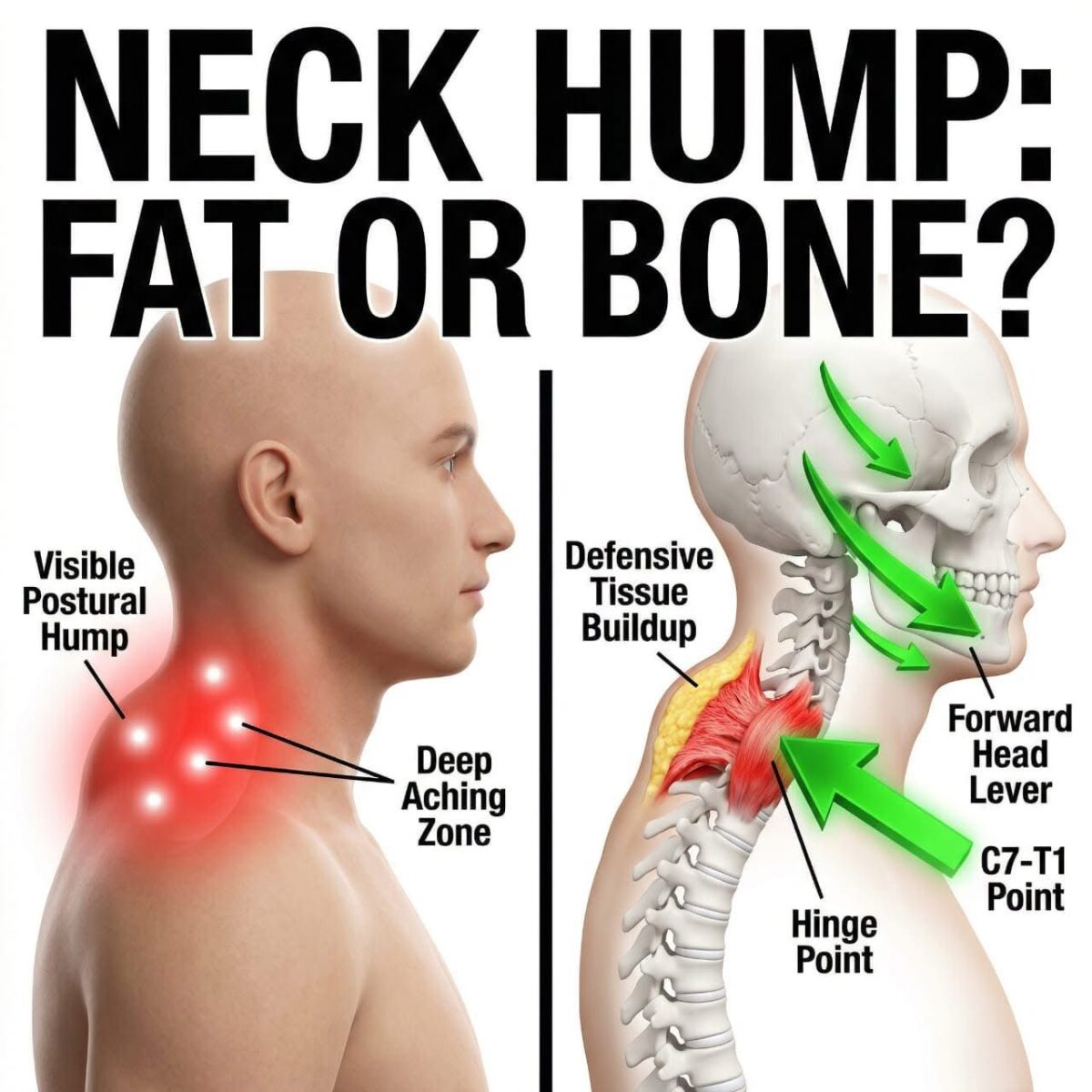
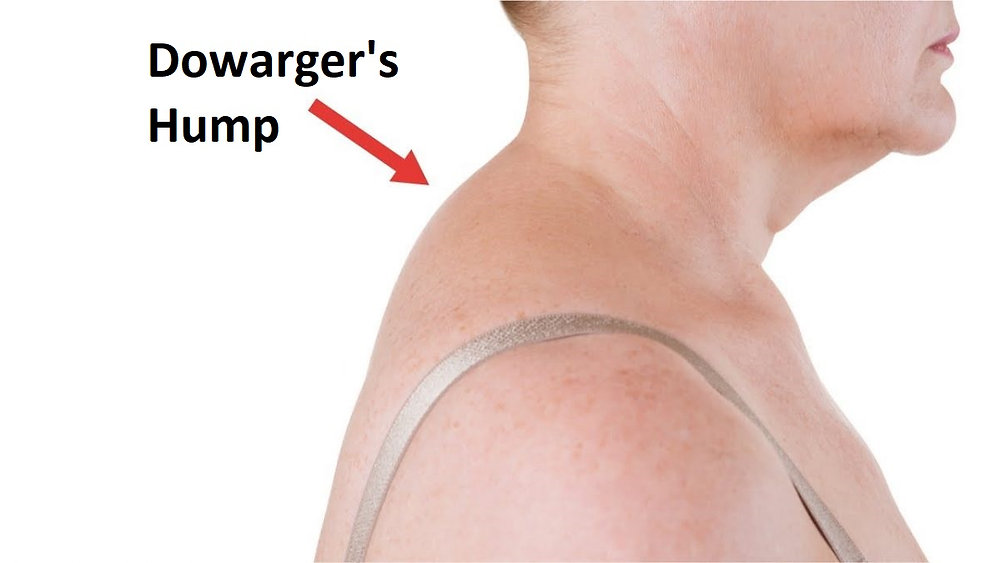
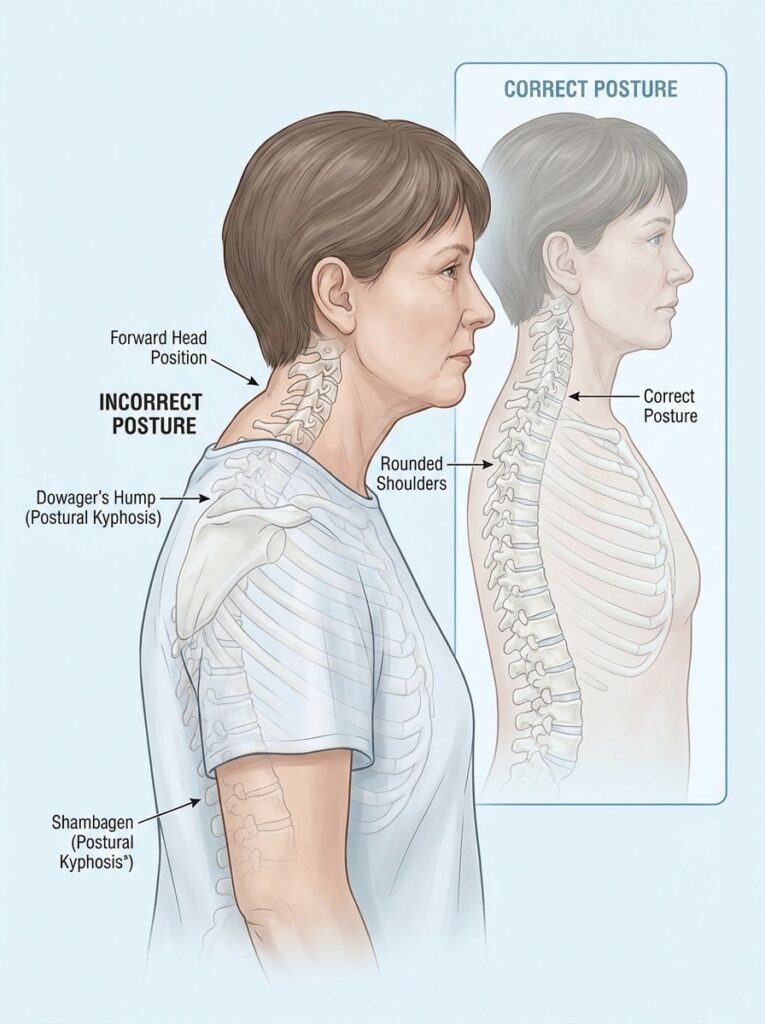
This formation, often referred to as a Dowager’s Hump or Neck Hump, is not a random accumulation of fat. It is actually a biomechanical defense mechanism deployed by your body to prevent your spine from failing under the constant gravitational load of your head.
The Anatomy
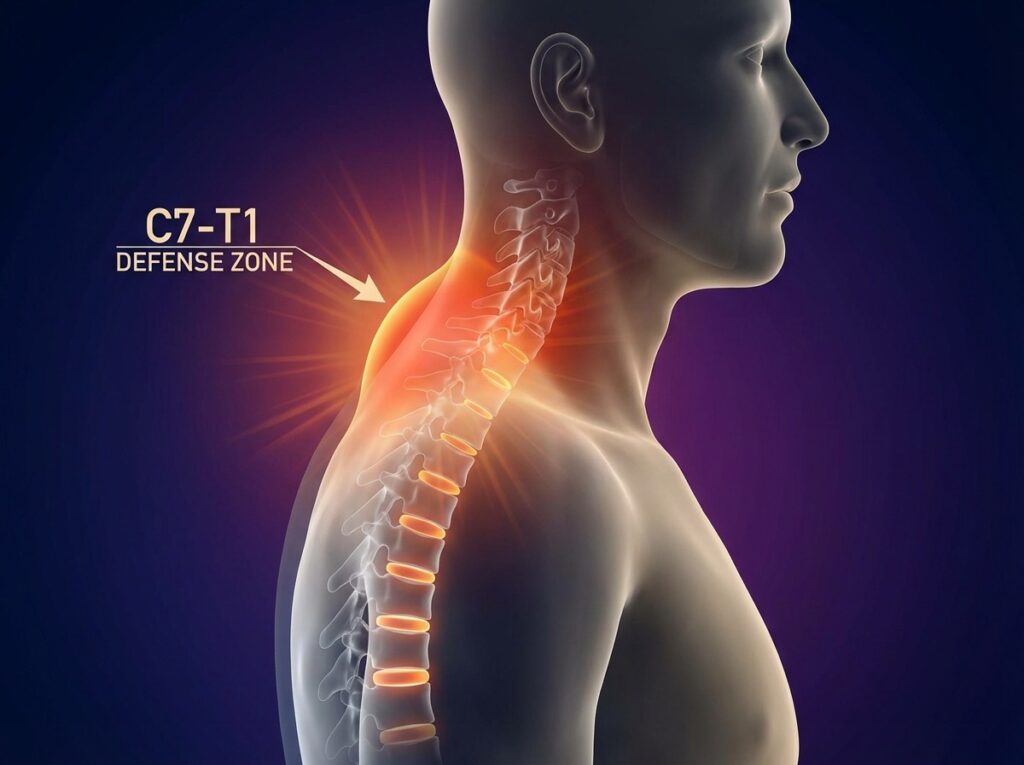
Run your hand down the back of your neck until you feel the most prominent bone at the base—that’s your C7 vertebra. Just below it lies T1, where your thoracic spine begins.
This region, known as the cervicothoracic junction, is a critical transition zone. It connects the highly mobile cervical spine (neck) with the more rigid, rib-supported thoracic spine (upper back).
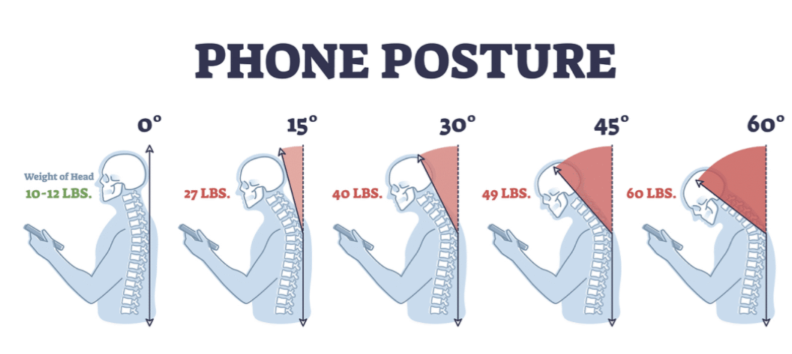
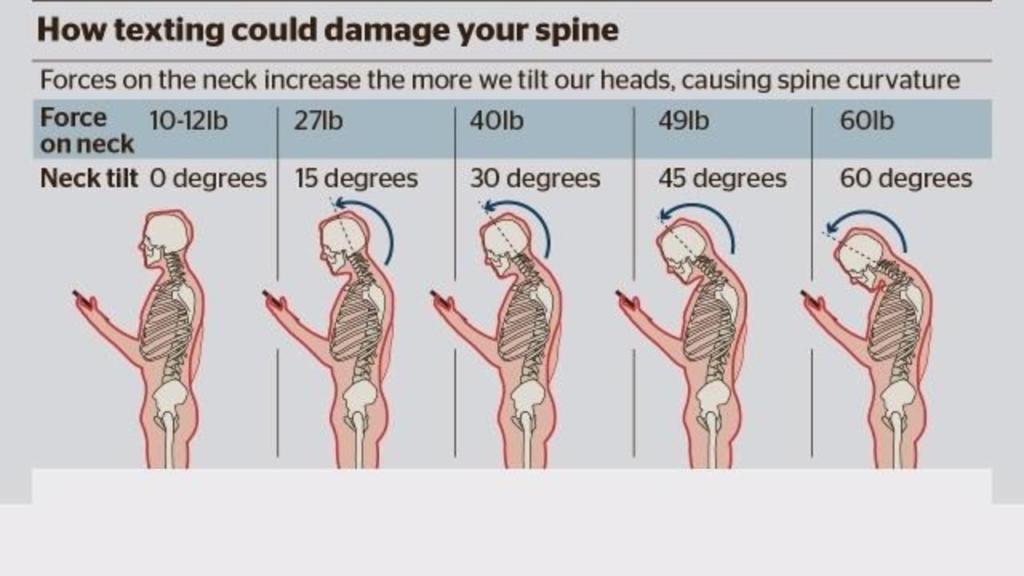
Under normal conditions, this junction distributes the weight of your head—roughly 10–12 pounds—efficiently through your spine, down into your pelvis and legs.
The Biomechanics
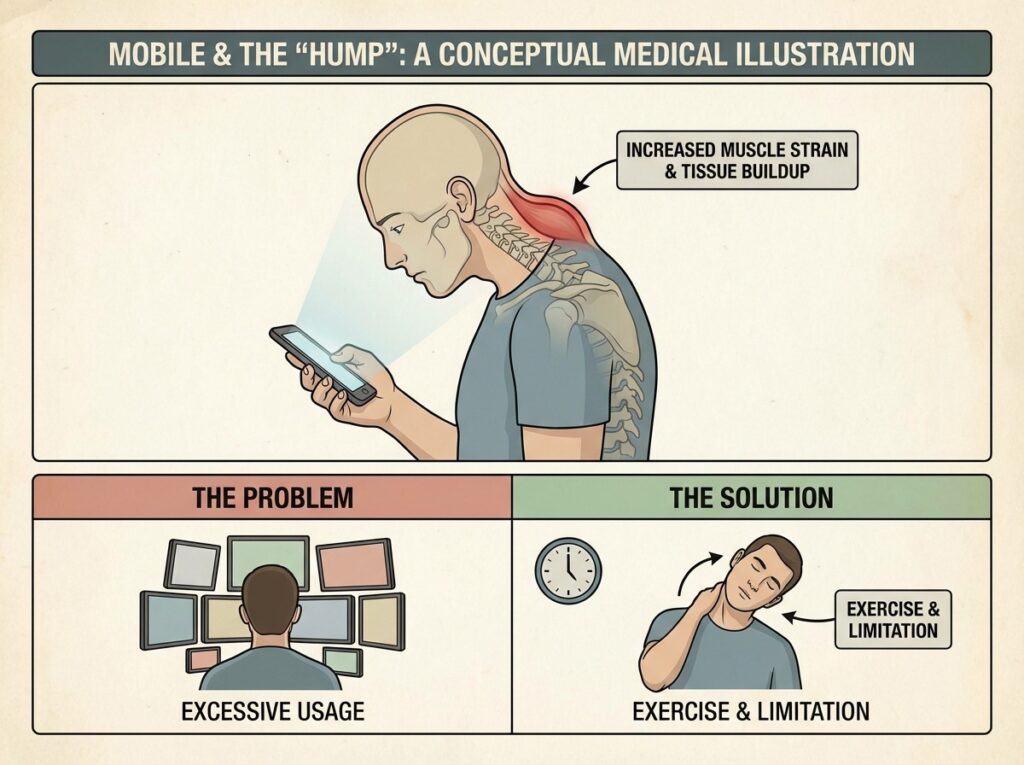
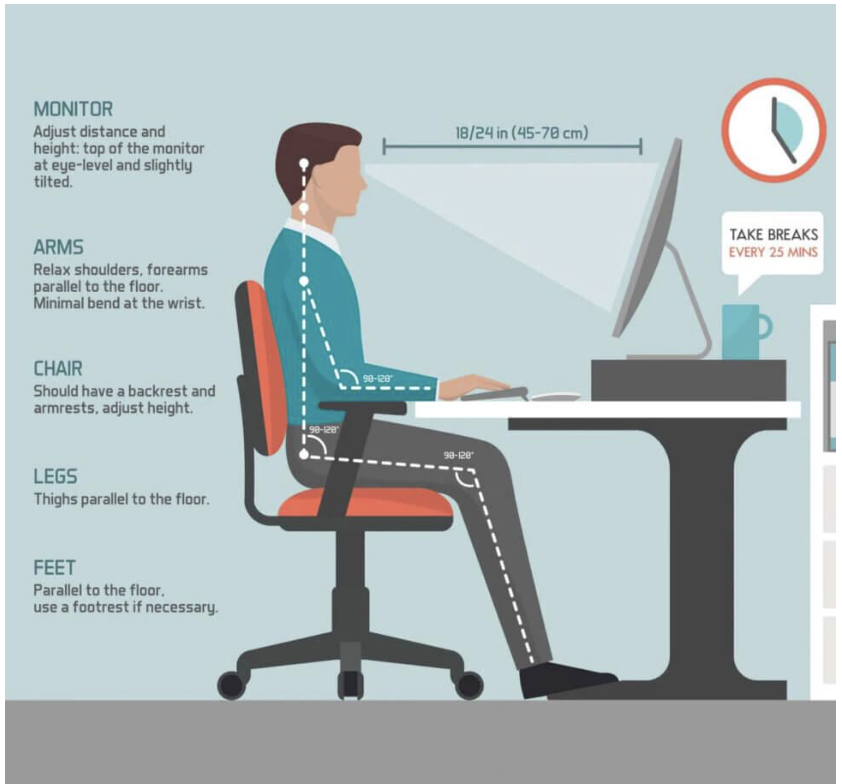
Now consider what happens when you spend hours each day:
Looking down at a laptop
Slouching while driving
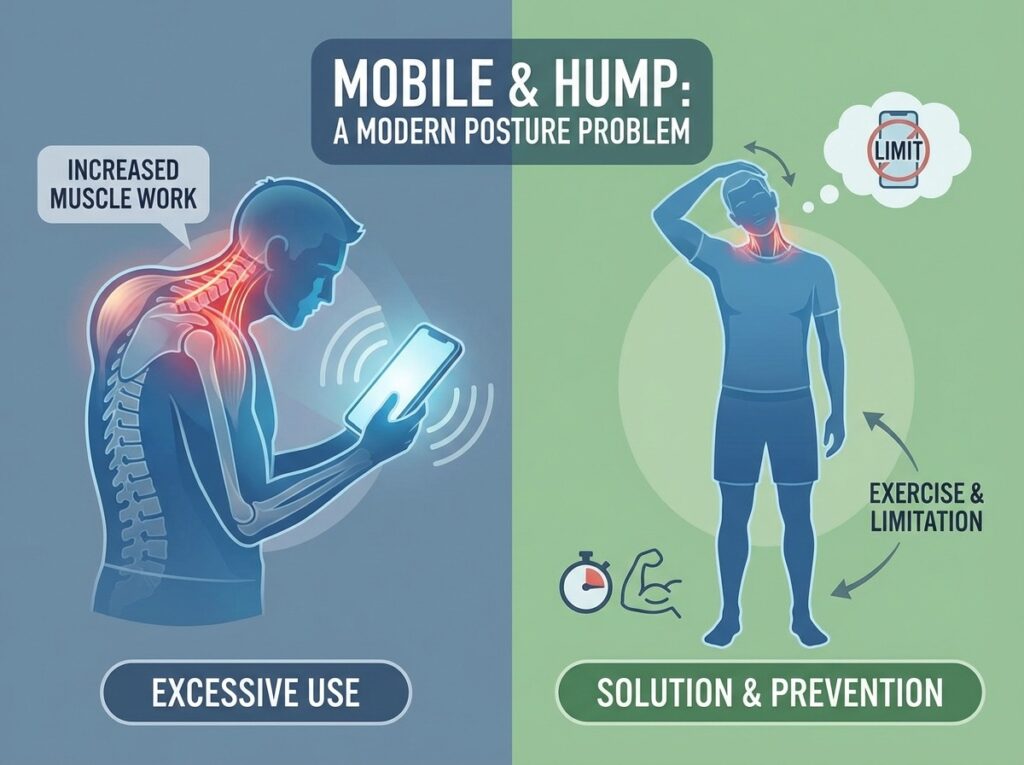
Scrolling on your phone
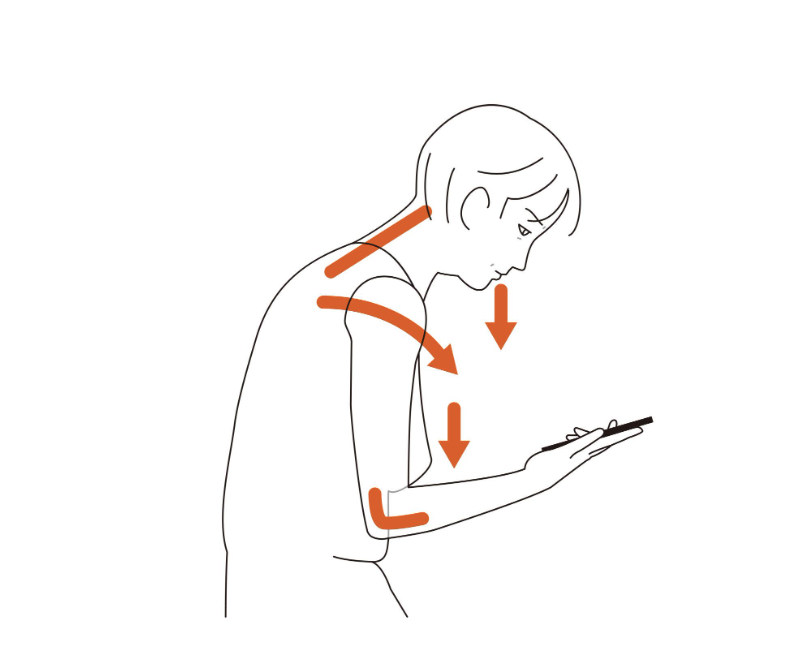
Your upper back collapses into a rounded posture (hyper-kyphosis).
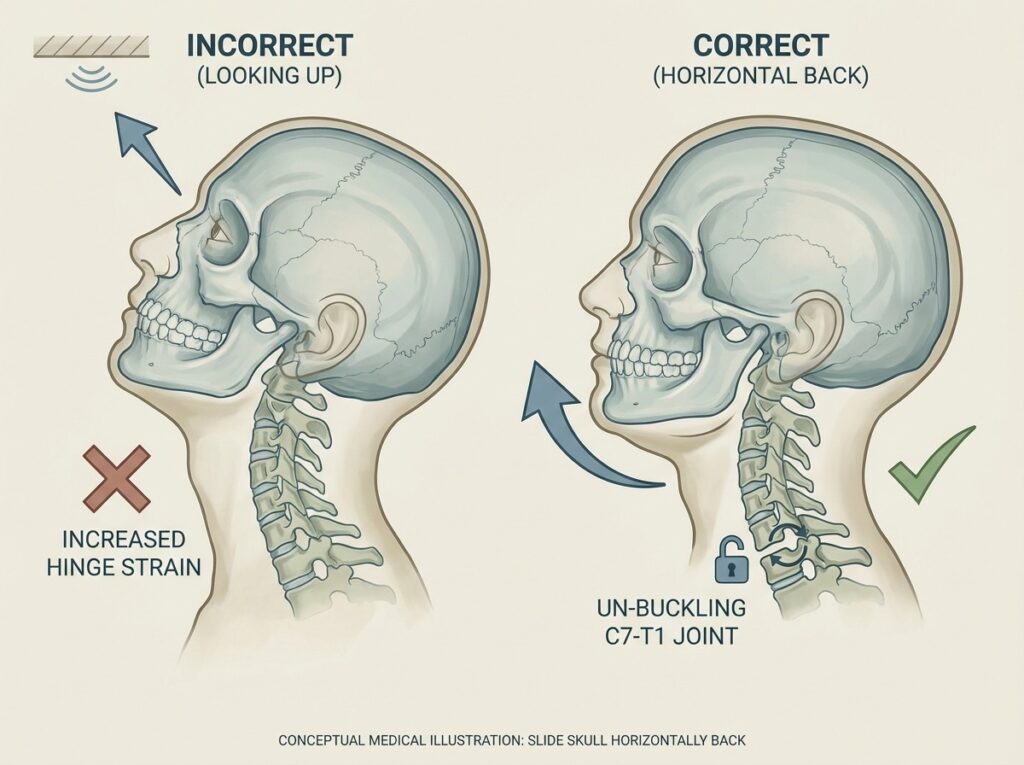
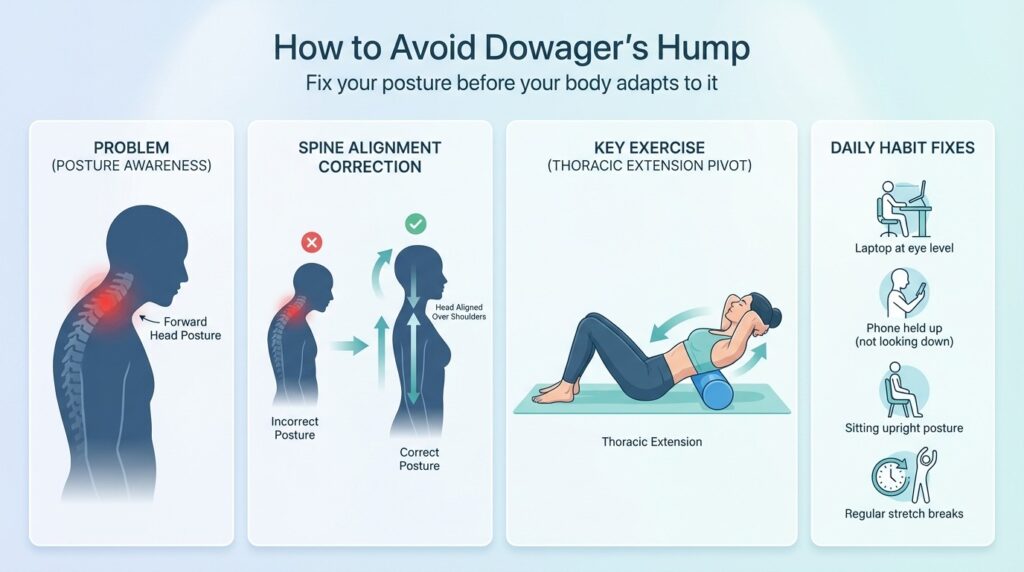
But your eyes still need to stay level with the horizon. So your lower neck compensates by bending backward—right at the C7–T1 junction.
What you’ve created is a sharp hinge in your spine.
Now, the weight of your head acts like a lever, placing continuous and excessive shear force directly on that single joint.
The Consequence
Your body is intelligent.
When it senses that a joint is under constant stress and at risk of structural failure, it responds defensively. It begins to lay down:
Fibrotic (scar-like) tissue
Protective fat deposits
This builds a reinforced cushion over the stressed area.
That visible “hump” you see? It’s not just fat—it’s your body trying to stabilize a spine that’s mechanically overloaded.
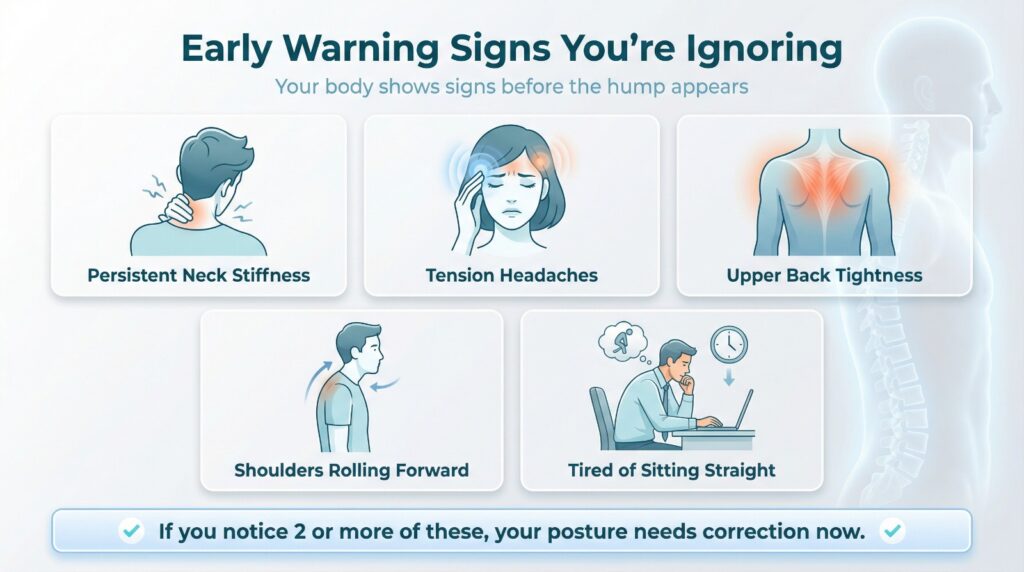
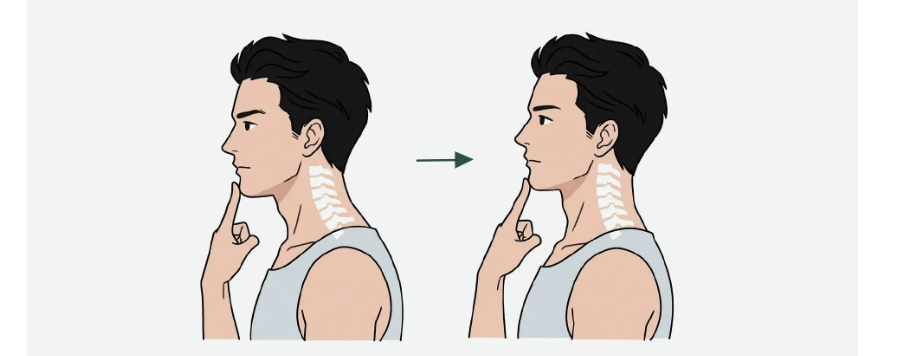
The more you forward your neck, the more load over your neck will increase
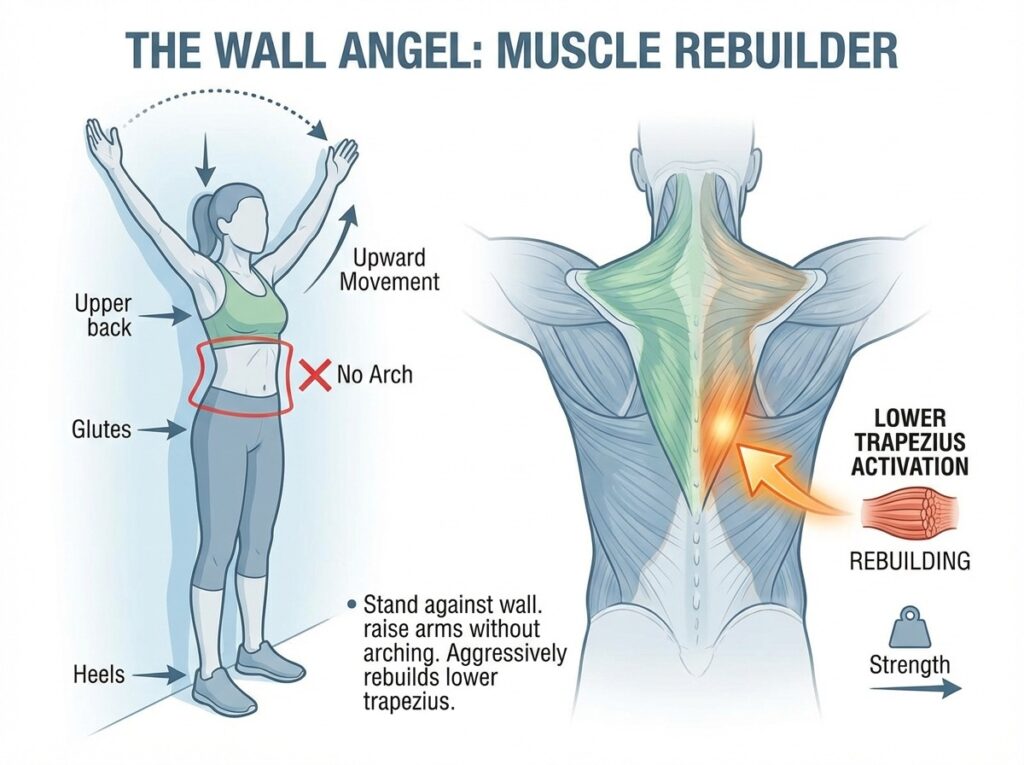
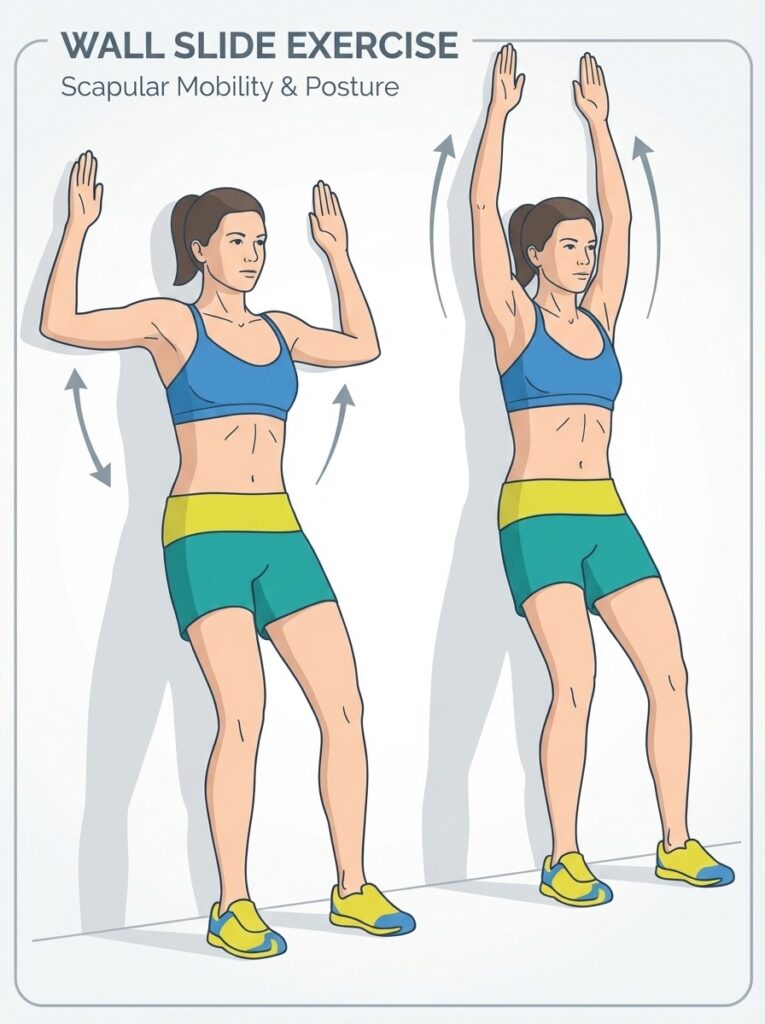
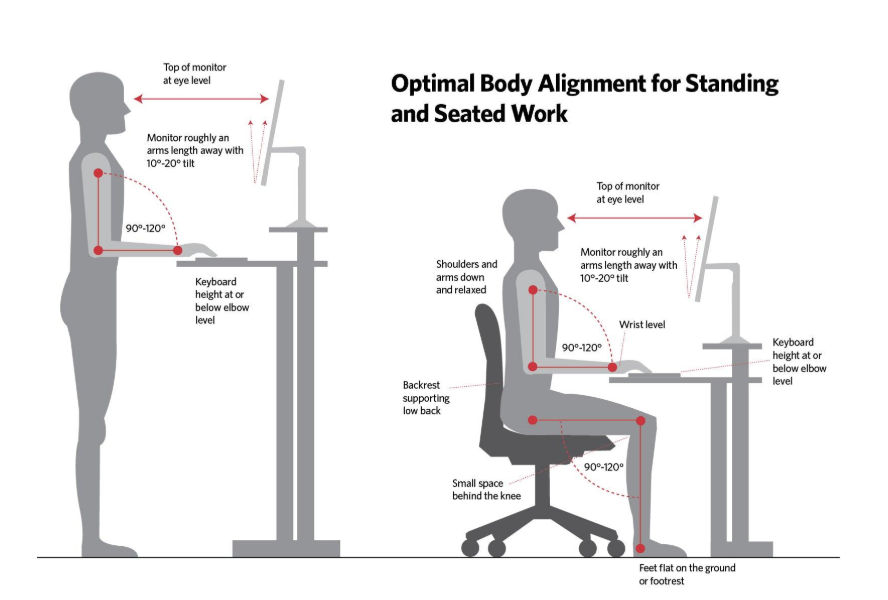
How to Break the Cycle of Dowager’s Hump
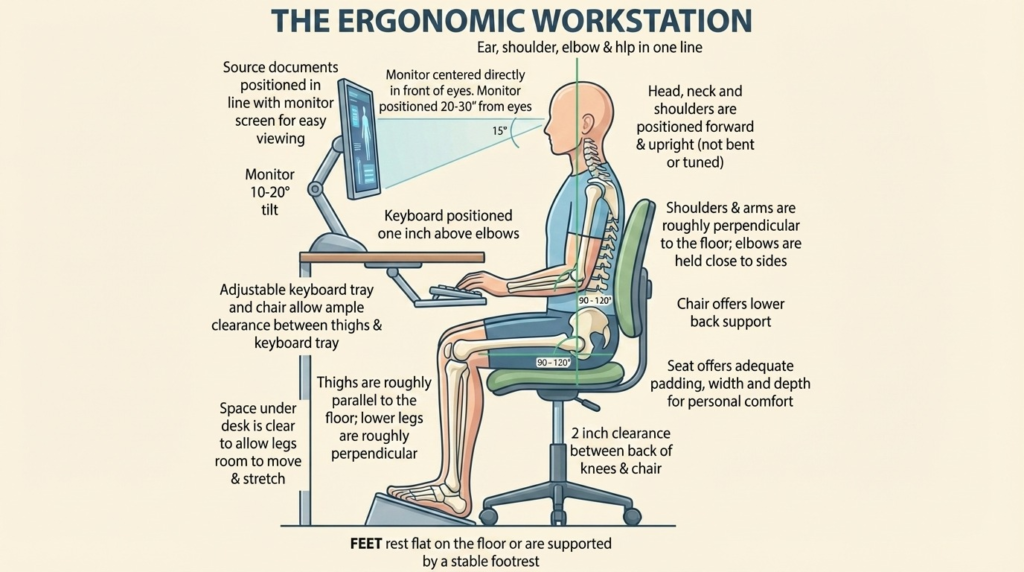
This isn’t about simply “standing straight.”
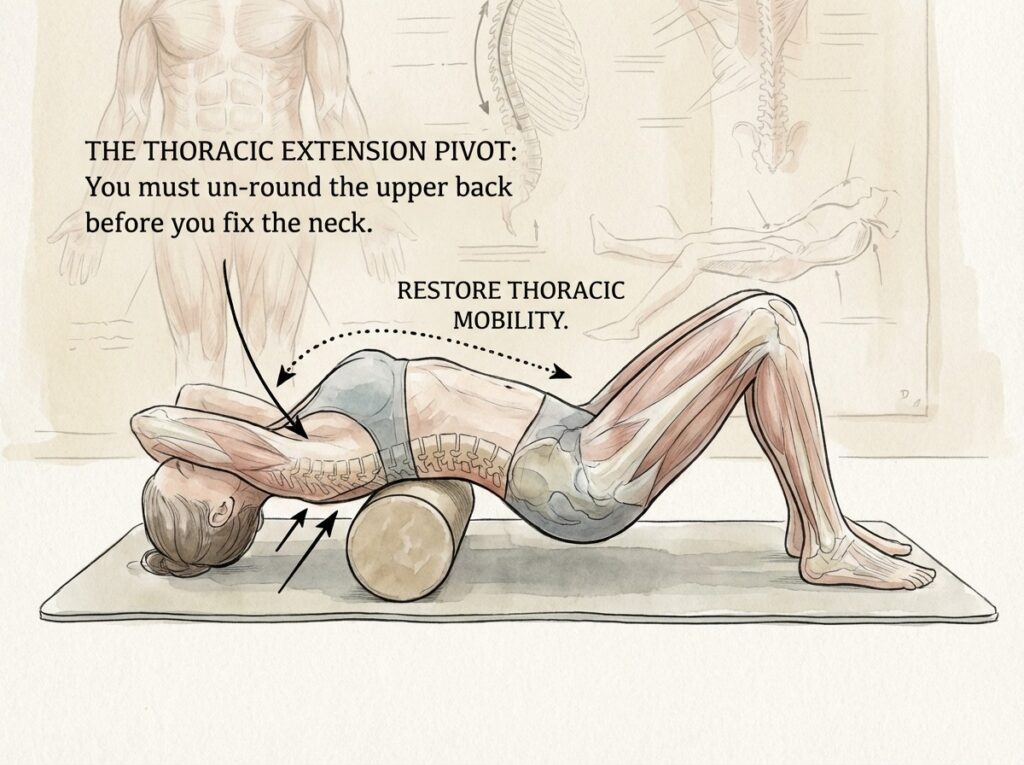
You’re correcting a pattern your body has adapted to over the years. The solution needs to be structured, consistent, and intentional.
Start your recovery with FitoFine Physiotherapy Clinic, where we combine expert care, empathy, and evidence-based methods to bring you back to life, stronger and healthier.

 +91 6295115701
 fitofine.in@gmail.com
 27A, Town Hall Para, Bardhaman, West Bengal