
 +91 6295115701
 fitofine.in@gmail.com
 27A, Town Hall Para, Bardhaman, West Bengal
How to Prevent Injuries With the Help of a Physiotherapist
Injury prevention isn’t just for athletes
Injuries aren’t limited to sports fields, they can happen during everyday tasks like bending, lifting, or even sitting for hours with poor posture. The good news? Most of these injuries are preventable with the right support, and physiotherapy is one of the most effective solutions available.
While many associate physiotherapy with post-injury care, it’s just as powerful when used proactively. Whether you’re an athlete, office worker, senior, or someone who simply wants to live pain-free, physiotherapy helps you strengthen your body, correct imbalances, and move smarter.
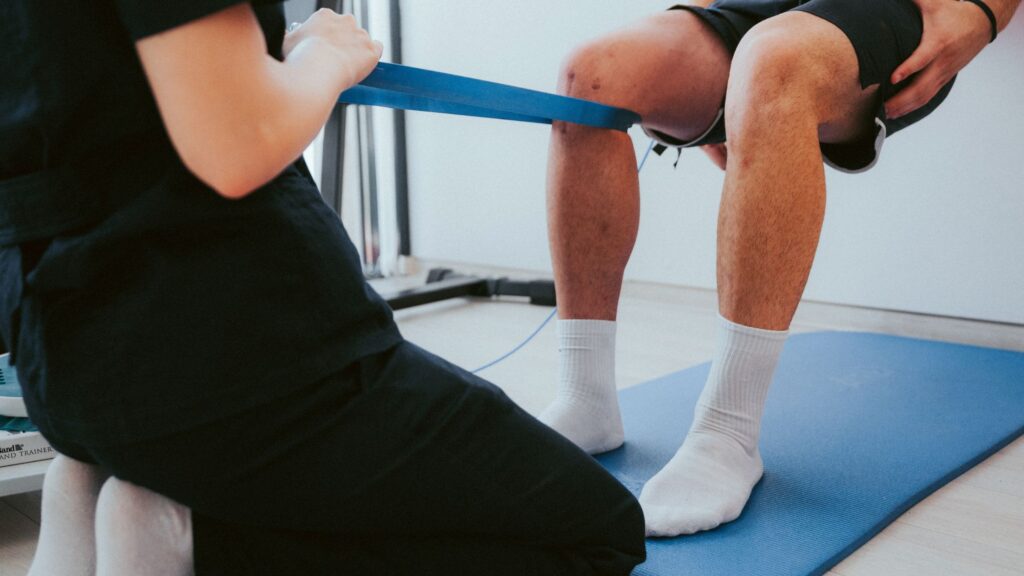
Why Is Injury Prevention Important?
Preventing injuries helps you:
- Avoid unnecessary pain and long recovery periods
- Stay active, independent, and mobile
- Prevent chronic joint and muscle issues
- Improve daily performance and physical output
- Reduce healthcare costs and work downtime
Physiotherapy makes “prevention better than cure” a practical reality.
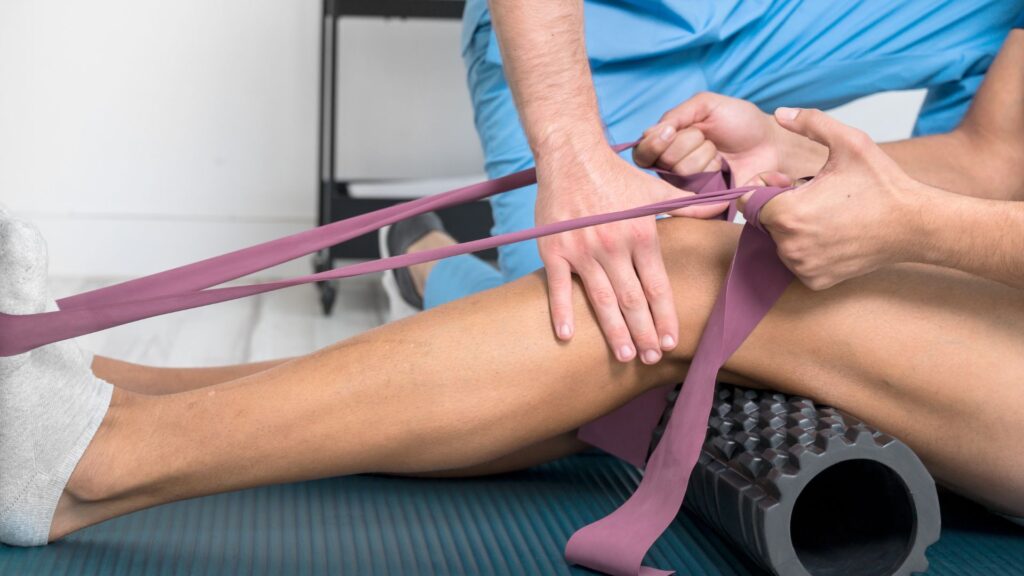
How Physiotherapists Help Prevent Injuries
Physiotherapists are movement and musculoskeletal experts. They analyze your posture, strength, flexibility, and mobility to identify areas of risk, then create a tailored plan to correct those before injury strikes.
1. Movement Assessment
Through posture checks, balance tests, gait analysis, and range of motion evaluations, your physiotherapist identifies:
- Weak muscles
- Joint stiffness
- Poor movement mechanics
- Muscle imbalances
This helps spot red flags before they become real problems.
2. Corrective Exercise Programs
Based on the assessment, you’ll receive an exercise plan that strengthens weak points, improves balance, and corrects bad movement habits. These routines focus on:
- Core stability
- Joint mobility
- Muscle coordination
- Functional strength
3. Flexibility & Mobility Training
Tight muscles reduce performance and increase injury risk. Physiotherapists guide you through:
- Stretching routines
- Foam rolling or mobility drills
- Muscle lengthening techniques
These improve movement quality and prevent strains or pulls.
4. Postural Alignment & Ergonomics
Poor posture leads to chronic pain and overuse injuries. Physiotherapists:
- Retrain your posture
- Recommend ergonomic changes (at work or home)
- Teach you how to sit, stand, and move safely
5. Injury Education & Lifestyle Tips
Knowledge is key to prevention. Your physiotherapist educates you on:
- Proper lifting mechanics
- Safe workout techniques
- Desk setup and daily habits
- Fall prevention strategies (especially for seniors)

Common Injuries Physiotherapy Helps Prevent
- Lower back pain
- Knee ligament strains (like ACL)
- Shoulder impingement
- Ankle sprains
- Tennis/golfer’s elbow
- Plantar fasciitis
- Neck stiffness from prolonged sitting
- Hamstring and quad pulls
Whether caused by inactivity, sports, or incorrect movements, many of these are completely avoidable.

Who Should Consider Preventive Physiotherapy?
- Office workers struggling with poor posture or stiffness
- Athletes or gym-goers looking to train safely
- Seniors who want to stay independent and mobile
- Post-recovery patients wanting to avoid re-injury
- Students or professionals spending long hours sitting

Why Routine Physiotherapy Check-Ups Matter
Think of a physiotherapist like a mechanic for your body. You wouldn’t wait for your car to break down to get it checked, so why wait for your body to hurt?
Regular physiotherapy visits:
- Catch imbalances early
- Boost strength and mobility
- Prevent long-term injuries
- Support healthy aging and posture
Even one session every 4–6 weeks can make a huge difference in how your body feels and performs.
FAQs on Injury Prevention Physiotherapy
Q1. Can physiotherapy prevent sports injuries?
Yes. It improves form, flexibility, and muscle balance—all vital to injury prevention in athletes.
Q2. Is it helpful even if I’m not in pain?
Absolutely. Preventive care is best done before pain starts, not after.
Q3. Can physiotherapy help avoid sitting-related injuries?
Yes. It improves posture, strengthens back muscles, and offers ergonomic tips to reduce strain.
Q4. Do I need to visit often?
Most clients benefit from 1–2 sessions a month, depending on activity levels and goals.
Q5. Can it prevent falls in older adults?
Definitely. Physiotherapists improve balance, coordination, and muscle strength to reduce fall risk.
Why Choose FitoFine for Injury Prevention Physiotherapy?
At FitoFine Physiotherapy Clinic, we believe in proactive care. Our certified physiotherapists specialize in injury prevention techniques tailored to your age, activity, and lifestyle. Whether you want to move better, work smarter, or train harder, FitoFine ensures your body is ready.
Book Your Injury Prevention Consultation Today!
FitoFine Physiotherapy Clinic
Working Hours: Mon–Sat: 5:00 PM – 10:00 PM | Sunday: Closed
Phone/WhatsApp: +91 6295115701
Email: fitofine.in@gmail.com
Website: www.fitofine.com
Stay strong. Move safely. Prevent injuries with FitoFine.