
 +91 6295115701
 fitofine.in@gmail.com
 27A, Town Hall Para, Bardhaman, West Bengal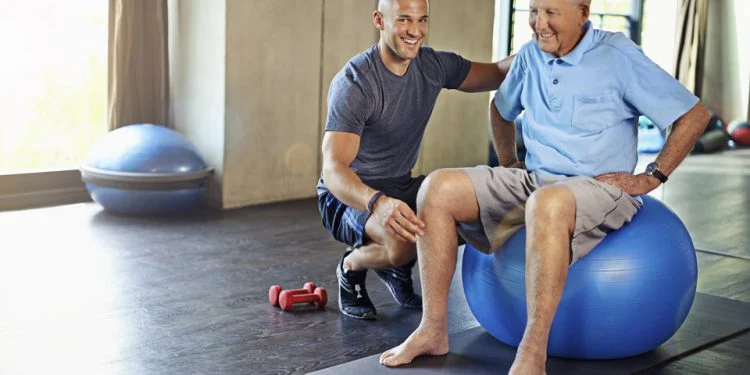
Understanding Balance Training and Fall Prevention
Improve Stability, Prevent Falls, and Rebuild Confidence with Expert Physiotherapy
Maintaining balance is essential for everyday life, from walking and climbing stairs to standing in the shower. As we age or recover from injuries or neurological conditions, our ability to balance can decline. This often leads to a heightened risk of falls, fractures, and reduced independence.
At FitoFine Physiotherapy Clinic, we offer specialized balance training and fall prevention programs tailored to help patients regain their coordination, stability, and confidence.

Why Balance Matters
Balance is more than just staying upright, it’s a complex function involving the vestibular system (inner ear), proprioception (muscle and joint awareness), and the central nervous system. When any of these are disrupted by aging, illness, or injury, the result can be:
- Unsteady gait
- Poor posture
- Dizziness or vertigo
- Increased risk of falls
According to the World Health Organization (WHO), one in three adults over 65 experiences a fall each year. Many of these falls can be prevented with timely physiotherapy intervention and fall prevention education.

What Is Balance Training in Physiotherapy?
Balance training is a structured physiotherapy approach involving targeted exercises to improve:
- Postural control
- Coordination
- Strength
- Proprioception
- Gait stability
These programs benefit individuals who are:
- Seniors experiencing age-related balance decline
- Recovering from a stroke or surgery
- Living with conditions like Parkinson’s disease or multiple sclerosis
- Managing vestibular disorders such as vertigo
Components of Balance Training at FitoFine
At FitoFine, every balance training journey begins with a comprehensive assessment to evaluate:
- Static and dynamic balance
- Gait and walking patterns
- Muscle strength and flexibility
- Neurological function
- Vestibular performance
- History of previous falls
Based on this, we create a personalized treatment plan that includes:

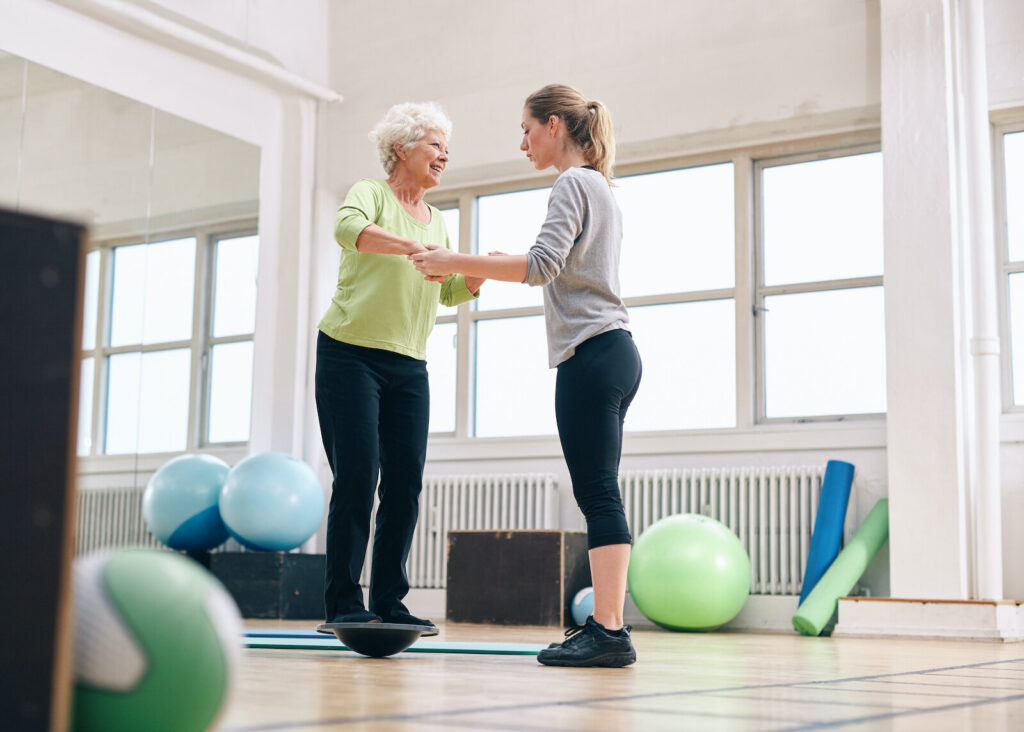
Static and Dynamic Balance Exercises
These help improve stability in both stationary and moving positions:
- Single-leg stands
- Tandem stance and walking
- Side-to-side weight shifts
- Balance on foam pads or wobble boards
- Marching in place

Gait Training
Enhancing walking patterns to reduce fall risk:
- Improving stride length and step consistency
- Correcting posture and foot placement
- Practicing obstacle navigation
- Use of walking aids (if needed)
Proprioceptive Training
Improving body awareness and control:
- Balance exercises with eyes closed
- Walking on soft or unstable surfaces
- Multi-directional stepping drills
Strength Training
Building muscle support for better balance:
- Leg and core exercises
- Resistance band workouts
- Step-ups, toe raises, and wall squats
Vestibular Rehabilitation (If Required)
For patients with dizziness or vertigo-related imbalance:
- Gaze stabilization exercises
- Head and eye coordination drills
- Habituation and repositioning techniques
Fall Prevention Strategies
Beyond physical exercises, we emphasize lifestyle and home safety education to reduce fall risks.
Home Safety Modifications
- Install grab bars in bathrooms
- Remove loose rugs or clutter
- Use non-slip mats
- Improve lighting
- Wear anti-skid footwear
Cognitive Training
Especially helpful for stroke or Parkinson’s patients:
- Multitasking exercises
- Attention improvement techniques
Family Involvement
Educating caregivers to assist with safe mobility and transfers
Benefits of Balance Training and Fall Prevention
- Enhanced stability and coordination
- Lower risk of injury and falls
- Improved posture and strength
- Boosted confidence in daily movement
- Greater independence and quality of life
Who Should Consider Balance Training?
You should consult a physiotherapist if you:
- Have fallen within the last 6–12 months
- Feel unsteady while walking or standing
- Experience frequent dizziness
- Are recovering from a stroke, surgery, or fracture
- Have a neurological condition (e.g., Parkinson’s, MS)
- Are 60+ and want to stay mobile and independent
FAQs on Balance Training and Fall Prevention
Q1: How long does balance training take to show results?
Most individuals see noticeable improvement in 4-8 weeks with consistent sessions and home practice.
Q2: Is balance training safe for seniors?
Absolutely. It’s gentle, effective, and one of the best ways to maintain independence in later years.
Q3: Can I do balance exercises at home?
Yes. We provide personalized home plans to complement your in-clinic physiotherapy sessions.
Q4: Is fall prevention only for the elderly?
No. Anyone recovering from injury, surgery, or neurological issues can benefit from fall prevention strategies.
Q5: What if I’ve already experienced a fall?
It’s never too late. The sooner you begin balance training, the better your chances of preventing further injury.
Why Choose FitoFine for Balance & Fall Prevention Physiotherapy?
At FitoFine Physiotherapy Clinic, we combine expert knowledge, personalized care, and evidence-based techniques to help you move with confidence and strength. Whether you’re managing a neurological condition, recovering from an injury, or simply want to prevent future falls, we’re here to support you at every step.
Experienced Physiotherapists
Customized Treatment Plans
Focus on Long-Term Independence
Supportive and Safe Environment
Home Exercise Guidance
We don’t just treat symptoms, we build stability for life.
Book Your Consultation Today
FitoFine Physiotherapy Clinic
Working Hours:
Mon-Sat: 5:00 PM – 10:00 PM
Sunday: Closed
Call/WhatsApp: +91 6295115701
Email: fitofine.in@gmail.com
Website: www.fitofine.com
FitoFine: Relieve Pain. Restore Movement. Reclaim Your Life.