 +91 6295115701
 fitofine.in@gmail.com
 27A, Town Hall Para, Bardhaman, West Bengal
Scoliosis and Physiotherapy: Non-Surgical Management Options
Scoliosis is a condition characterized by an abnormal curvature of the spine, typically forming an “S” or “C” shape. While it often develops during adolescence, scoliosis can affect individuals of all ages. If left untreated, it may lead to pain, posture issues, and reduced mobility. Fortunately, physiotherapy offers effective non-surgical management for many individuals dealing with scoliosis.
In this article, we’ll explore the role of physiotherapy in managing scoliosis, discuss various treatment techniques, and highlight how FitoFine Physiotherapy Clinic can support your spinal health journey.

What is Scoliosis?
Scoliosis involves a sideways curvature of the spine that often appears during a growth spurt before puberty. In mild cases, it might go unnoticed, but more pronounced curves can affect posture, movement, and overall comfort.
Types of Scoliosis:
- Idiopathic Scoliosis: Most common, typically in adolescents
- Congenital Scoliosis: Due to spinal malformations at birth
- Neuromuscular Scoliosis: Caused by neuromuscular conditions like cerebral palsy
- Degenerative Scoliosis: Seen in older adults due to age-related spinal degeneration

Symptoms of Scoliosis
- Uneven shoulders or waist
- Prominent shoulder blade on one side
- Leaning to one side while standing
- Back pain or fatigue
- Limited range of spinal motion
- Rib cage protrusion in advanced cases
Early detection and physiotherapy can significantly reduce progression and improve function.
Can Physiotherapy Help Scoliosis?
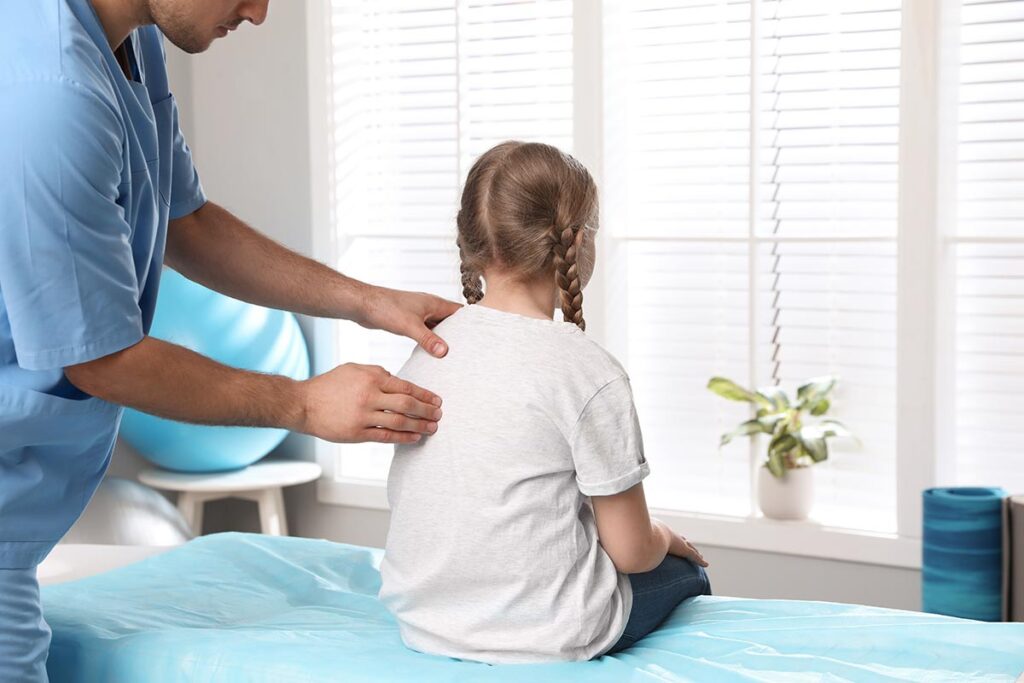
Yes! Physiotherapy is a proven, non-invasive option for mild to moderate scoliosis cases. It helps:
- Improve spinal alignment
- Strengthen supporting muscles
- Reduce discomfort
- Prevent curve progression
- Enhance mobility and posture
Many people avoid or delay surgery thanks to regular, targeted physiotherapy sessions.
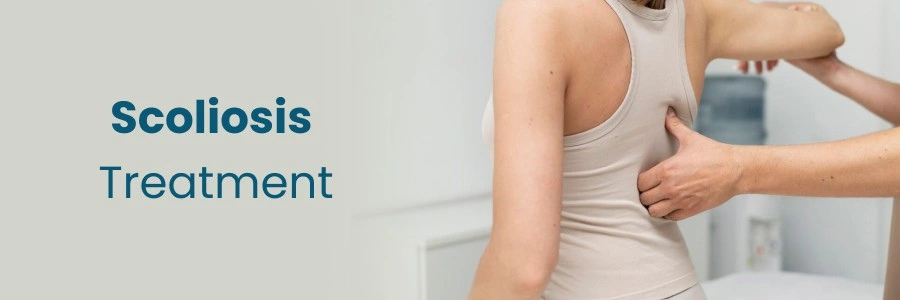
Physiotherapy Techniques for Scoliosis Management
At FitoFine, each treatment plan is customized to suit your spinal curvature, age, and lifestyle. Here are our core techniques:
1. Postural Correction
- Teaches proper body alignment
- Improves spine symmetry and body awareness
- Reduces visual deformity and discomfort
2. Core Strengthening Exercises
Strong core muscles help stabilize and protect the spine. Exercises include:
- Planks
- Pelvic tilts
- Swiss ball balance routines
- Pilates-inspired training
3. Breathing Exercises
Helps improve chest expansion and oxygen flow, especially in thoracic scoliosis cases.
- Diaphragmatic breathing
- Rib expansion drills
4. Stretching Tight Muscles
Scoliosis often causes tightness on one side. Targeted stretches promote balance and mobility.
Examples:
- Lateral stretches
- Cat-cow stretch
- Side bends
- Child’s pose
5. Schroth Method (if applicable)
This method focuses on reshaping posture and muscle use through breathing, awareness, and controlled movements. Components of the Schroth method are integrated by trained physiotherapists.
6. Gait Training & Balance Work
Scoliosis can affect how you walk. Balance boards, footwork drills, and proprioception exercises restore proper gait patterns.
7. Pain Management Modalities
We use non-invasive techniques to ease discomfort, including:
- TENS therapy
- Ultrasound therapy
- Manual therapy to release tight muscles
When to See a Physiotherapist for Scoliosis
Visit a physiotherapist if you notice:
- Uneven shoulders, hips, or waist
- Back pain after standing or walking
- Diagnosed scoliosis (mild or moderate)
- Postural concerns in children or teens
The earlier the intervention, the better the outcomes.
Results to Expect
With consistent therapy and home care:
- Pain reduces
- Posture improves
- Spinal curvature may stabilize
- Confidence and mobility increase
While physiotherapy doesn’t cure scoliosis, it can drastically improve quality of life and slow progression.
FAQs About Scoliosis and Physiotherapy
Q1: Can scoliosis be corrected with physiotherapy alone?
Not fully, but therapy can prevent worsening and improve symptoms, especially in younger patients.
Q2: Is physiotherapy effective for adults with scoliosis?
Yes! Adults, especially those with degenerative scoliosis, benefit greatly from pain relief and posture improvement.
Q3: How many sessions are needed?
Typically, noticeable results appear in 4–8 weeks, depending on the severity and consistency.
Q4: Does treatment hurt?
No. Sessions are safe, gentle, and customized to your comfort level.
Q5: Can scoliosis worsen without treatment?
Yes. Especially in children and teens during growth or in adults with spine degeneration.
Take the First Step Toward a Stronger Spine with FitoFine
Whether you’re managing scoliosis in adolescence or adulthood, FitoFine Physiotherapy Clinic offers expert, non-surgical support to help you feel stronger, straighter, and pain-free.
We combine proven physiotherapy techniques with personalized care for long-term results.
Book an Appointment Today!
FitoFine Physiotherapy Clinic
Hours:
Monday to Saturday: 5:00 PM – 10:00 PM
Sunday: Closed
Email: fitofine.in@gmail.com
Website: www.fitofine.com
Call/WhatsApp: +91 6295115701
FitoFine: Aligning You Towards a Healthier Tomorrow.