
 +91 6295115701
 fitofine.in@gmail.com
 27A, Town Hall Para, Bardhaman, West Bengal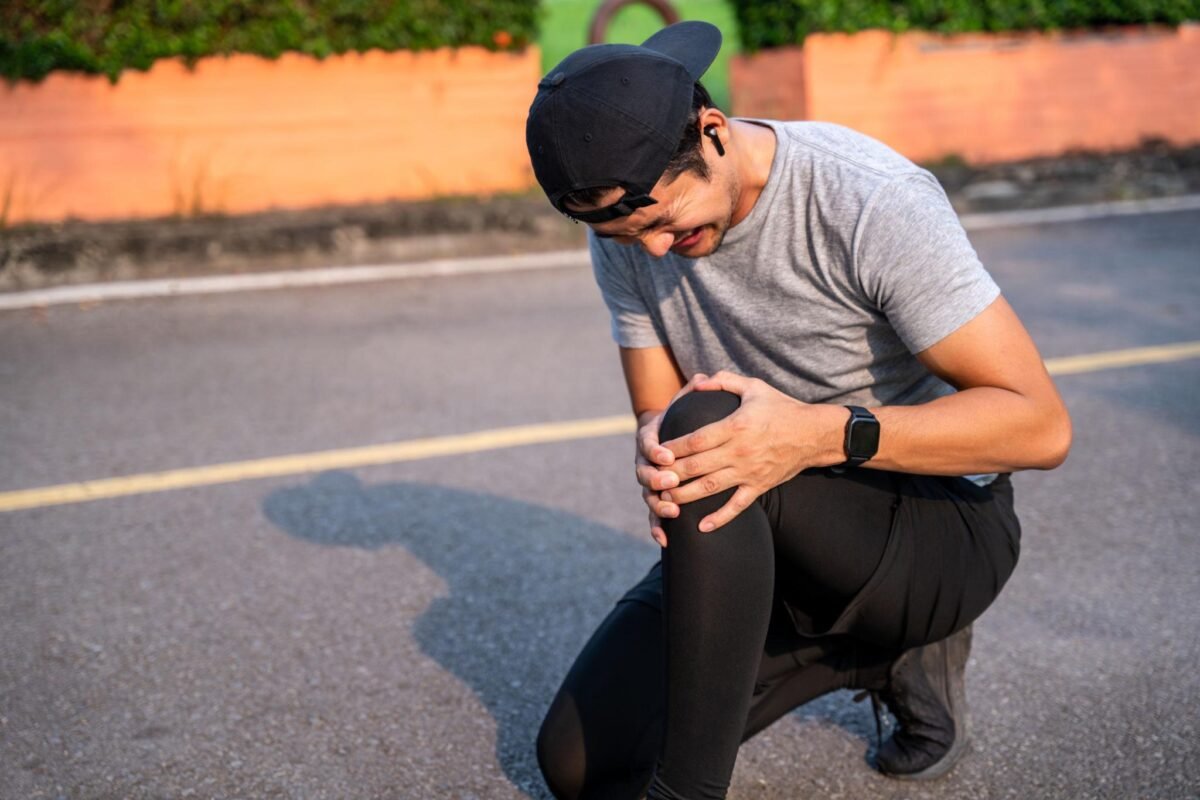
How Does ACL Injury Physiotherapy Help You Recover from a Ligament Tear and Return to Sports Safely?
An anterior cruciate ligament (ACL) injury happens mostly during any sports and activities that involves stops, jumps and even a small awkward movement can cause it. But when the injury happens something in the knee that shifts in a way it definitely shouldn’t, there’s sometimes a pop, sometimes just a horrible ache, and then the leg stops cooperating. Within an hour it swells up like a balloon and you’re sitting somewhere icing it, quietly hoping the scan comes back with something minor.
It usually doesn’t.
An ACL tear is one of those injuries that forces a reckoning. Not just physically, but practically. If you play sports, you’re suddenly staring down months off the field. Even If you don’t, you’re still looking at a knee that can’t be trusted to do what you need it to do. Either way, the question sitting in the room after the diagnosis is the same one.
What do I actually do now?
ACL injury physiotherapy is the honest answer to that. Not only a part of the answer, but the most important one. The rehabilitation pathway you follow, how seriously it’s taken, how consistently it’s done, determines whether you come out the other side with a knee that works properly or one you’re working around for the next decade.
What the ACL Is Actually Doing in There
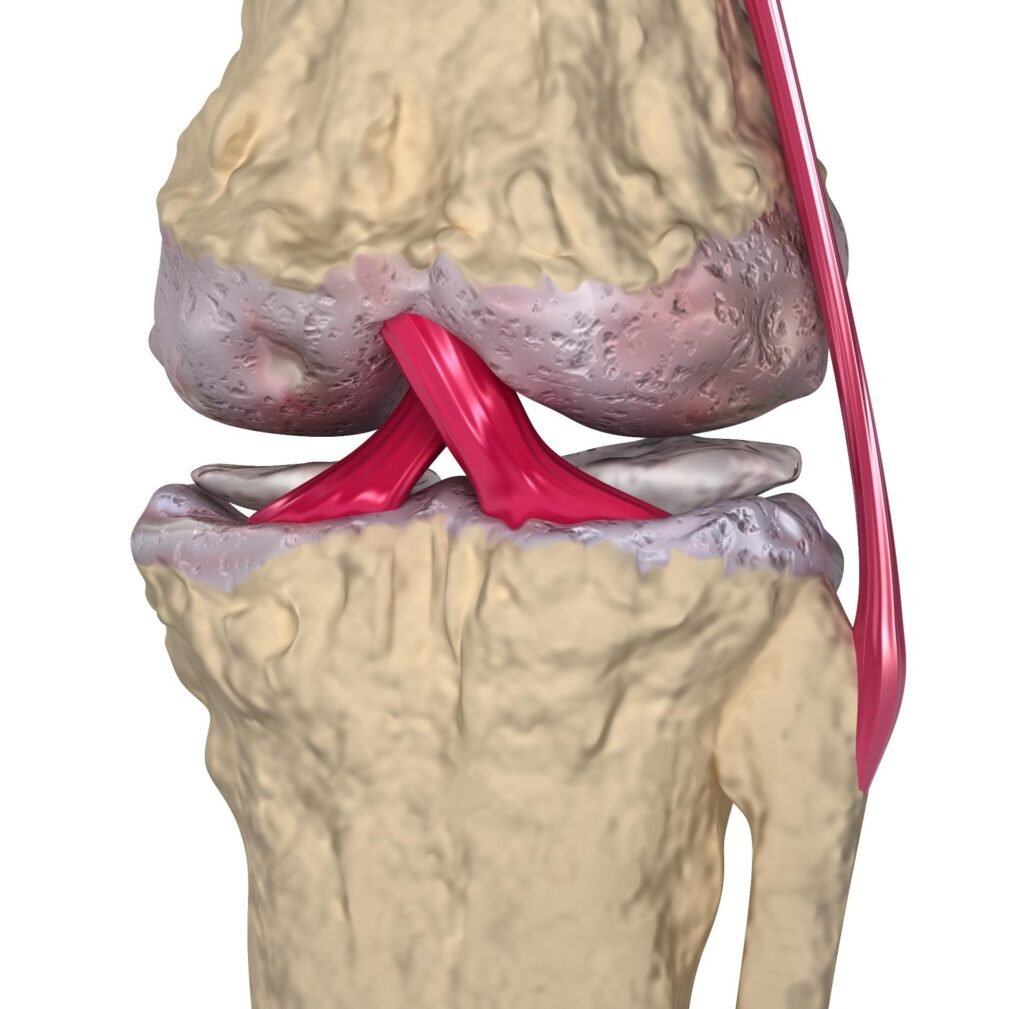
The ACL (anterior cruciate ligament) controls how the shin bone moves relative to the thigh bone, especially during rotation, direction changes, and landings. Every time you walk or jump, it’s doing a significant amount of quiet work. When it tears, that work stops.
The knee starts doing things you didn’t ask it to. Giving way mid-stride. Feeling unreliable on uneven ground. And because the joint suddenly has a stability problem, other structures start absorbing the load. The meniscus. The cartilage. Neither built for it. Both are slowly paying the price.
This is why ligament tear rehabilitation done properly matters so much for the long run. Half-complete it or ignore it entirely and the knee doesn’t stay the same. It deteriorates. What could have been a contained problem becomes a source of ongoing joint damage that compounds quietly over years.
The Surgery Question Nobody Gives You a Straight Answer To
Not every ACL tear needs a big dramatic operation.
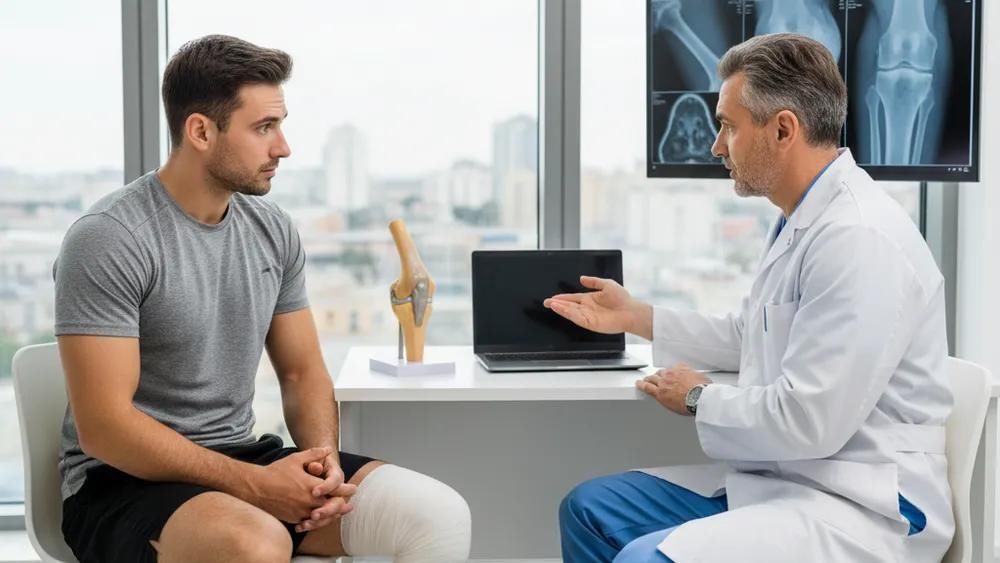
Partial tears, lower-demand patients, people whose life doesn’t involve a lot of pivoting and cutting, many of these cases do very well through physiotherapy alone.
For those who do need surgical reconstruction, physio doesn’t start after surgery. It starts before it. Prehabilitation, building strength and mobility before the procedure, consistently improves post-operative outcomes. A stronger, better-prepared knee going into surgery comes out of it in a much better position to recover.
Either way, ACL injury physiotherapy sits at the centre of recovery.
What Recovery Actually Looks Like Week to Week
Swelling management. Getting basic range of motion back. Gently reminding the muscles around the knee that they still exist and need to start pulling their weight again. Nothing about this phase looks impressive from the outside. There’s no visible milestone. Patients often feel like nothing is happening. But this is where the foundation gets laid and doing it sloppily is one of the clearest routes to a re-injury down the track.
Once the swelling settles and movement returns, the real work begins. The quads, hamstrings, glutes, and calf all lose strength and coordination after an ACL injury. Getting them back on track , in the right sequence, under appropriate load, takes weeks. Sometimes months.
After that comes the part that actually resembles sport again. Running. Changing direction. Decelerating properly. Each of these is reintroduced carefully, assessed, and progressed only when the quality is genuinely there.
The nervous system has to relearn how to sense the knee’s position and respond to it accurately under speed and pressure. That is not something you can fake or rush. It either shows up in the assessment or it doesn’t.
Feeling Ready Is Not the Same as Being Ready
This is the bit that catches people out more than almost anything else.
Three or four months in, the knee feels pretty good. The pain has mostly gone. Strength is coming back. The desire to get back on the field, back to training, back to normal, has been building for weeks. So they push for an earlier return. And honestly, who could blame them.
The problem is the graft goes through a biological remodelling process that takes months regardless of how the leg feels from outside.
Re-injury rates for people who return before nine months post-surgery are considerably higher than for those who wait for proper clinical readiness. And a second ACL injury is not the same as the first. It is worse in almost every way. Revision surgery is more complex. Recovery is longer. The psychological toll of doing it all again is something people consistently underestimate until they are in it.
Sports Sprain Therapy in Bardhaman: Why Consistent Local Access Matters
For athletes and active people in Bardhaman, access to consistent, specialist sports sprain therapy in Bardhaman is not a minor detail. ACL rehabilitation needs regular, hands-on assessment across many months. The plan has to adapt as the knee changes. Someone with clinical experience needs to be making those calls, not a printed sheet from week one.
At Fit O Fine, Prof. Satyen Bhattacharyya’s 18 years of experience means every program is built around the person in the room, not a template for their diagnosis. Cricketers, footballers, recreational runners, parents who just want to keep up with their kids. The goals differ. The commitment to getting people back to them properly doesn’t.
What People Say About the Process After They’ve Been Through It
The most consistent thing people describe once they’re through it is a moment somewhere in the middle where something quietly shifted.
They were doing a movement that had felt genuinely frightening for months and realised it didn’t feel frightening anymore. The knee just did what it was supposed to. Didn’t hesitate. Just worked. And they had to stop and register that for a second.
That’s not a small thing after months of the opposite.
Getting there isn’t linear. There are weeks that feel stuck and sessions harder than the one before. What ACL injury physiotherapy done properly gives you at the end is a knee you actually trust again. For most people who stay with the process, that’s exactly what happens.
If You’re at the Beginning of This, Here’s Where to Start
Recently diagnosed. Pre-surgery. Mid-rehabilitation and not sure it’s going the right way. Wherever you are in this, come in and let someone take a proper look.
Book your consultation at Fit O Fine and let’s figure out where things actually stand and what the right next step looks like for you.
Frequently Asked Questions
Q1. How long does ACL injury physiotherapy take?
Return to competitive sport typically takes 9 to 12 months with proper rehabilitation.
Q2. Can physiotherapy treat an ACL tear without surgery?
Yes. Partial tears and lower-demand patients often recover fully through rehab alone.
Q3. When should physiotherapy start after ACL surgery?
Usually within the first few days post-surgery once your surgeon gives the go-ahead.
Q4. What is prehabilitation and does it really make a difference?
Pre-surgery physio that strengthens the knee and measurably improves surgical outcomes.
Q5. How do I book at Fit O Fine in Bardhaman?
Visit fitofine.com or call +91 6295115701.