 +91 6295115701
 fitofine.in@gmail.com
 27A, Town Hall Para, Bardhaman, West Bengal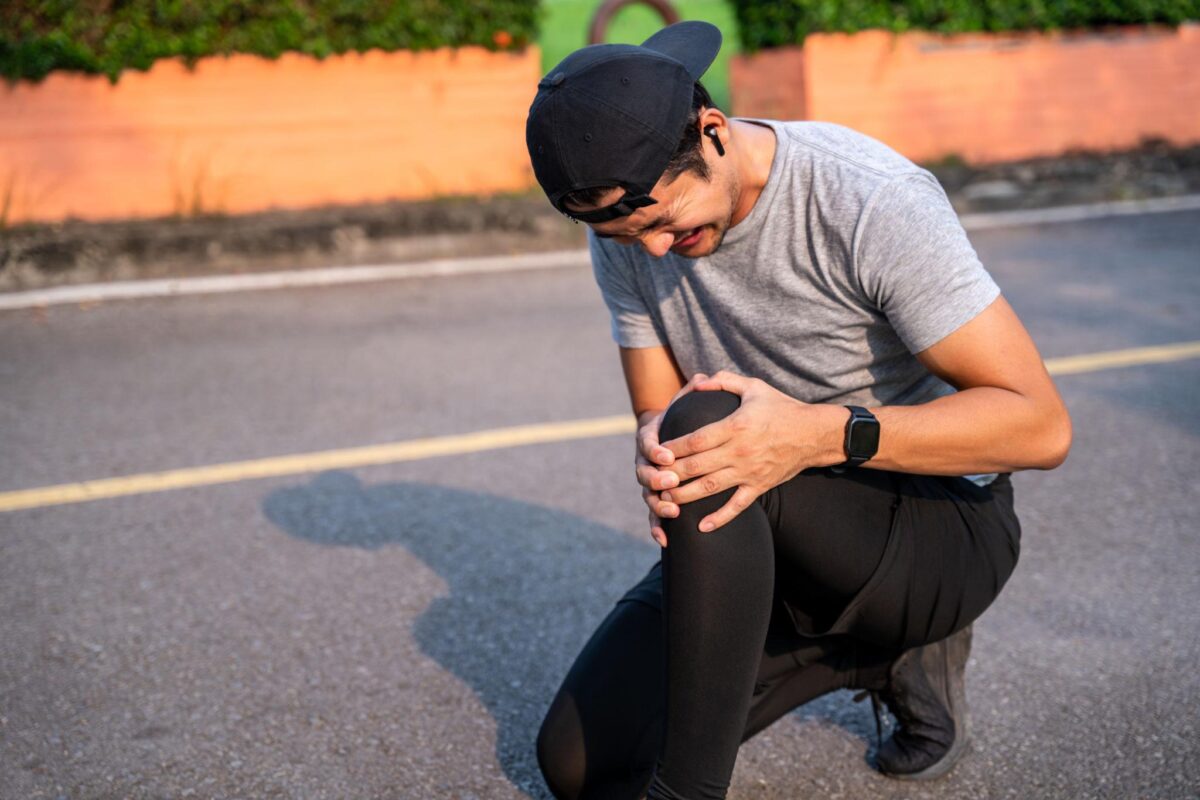
How Physiotherapy Helps You Recover from Sports Injuries Faster
Honestly as an athlete, one of the most frustrating things one can face is getting injured. One moment you’re in mid-game, maybe in the middle of your training session and the next you are swallowing tablets and enduring the pain of the injury. Although the pain can be crucial, for most active people the harder part is honestly the stillness that comes after. The missing out. Watching your teammates acing their sessions and participating in races or games.
Sports Injury Physiotherapy is the most effective and structured way to move through that frustration and come out the other side stronger, faster, and more confident in your body than you were before the injury happened.
The question that takes over almost immediately after getting hurt is never just when will this stop hurting, It is how do I actually get back, and how do I get back without this happening again three months down the road. That is the question Sports Injury Physiotherapy is genuinely built to answer.
Why Resting Alone Will Not Get You Back to Full Fitness
When something hurts, resting feels like the most obvious and sensible response. And in the very first days after an injury, giving the area some relative rest does make sense. But the truth is rest alone is not the ultimate answer. It does stop the pain from getting worse but it doesn’t recover what has been lost, it doesn’t heal the root cause.
Proper Sports Injury Recovery is an active and deliberate process. It is not about pushing through pain or ignoring what your body is telling you. It is about doing the right things, at the right time, in the right order. That is exactly what physiotherapy provides and it is genuinely what makes the difference between a recovery that gets you fully back and one that leaves you half fit and quietly worried every time you push yourself.
What Really Happens When You First Walk Into a Physiotherapy Session
Physiotherapy is not about working hard or testing your limits. It is about understanding exactly what has happened and making sure the healing process starts in the best possible way rather than just the fastest convenient way.
A good physiotherapist first assesses your conditions, they not only look at the spots that hurt but they also put focus on the surrounding area of the injured spot, like the muscles and joints. From that examination the physiotherapist makes a mind map of what your specific body needs. They start with gentle movements of that injured area and this gentle hands-on work keeps the area mobile without overloading tissue that is still healing. Carefully chosen early exercises prevent the muscle loss that sets in surprisingly fast when you stop moving
How Sports Injury Rehabilitation Rebuilds You From the Ground Up
Once the initial healing has settled, the real work of Sports Injury Rehabilitation begins and this is honestly the most important part of the whole process even though it is the part people most often underestimate. Pain going away is great news but it is not the finish line. It means the tissue has healed enough to stop hurting. Whether it is genuinely strong enough to handle the full demands of your sport again is a completely different question.
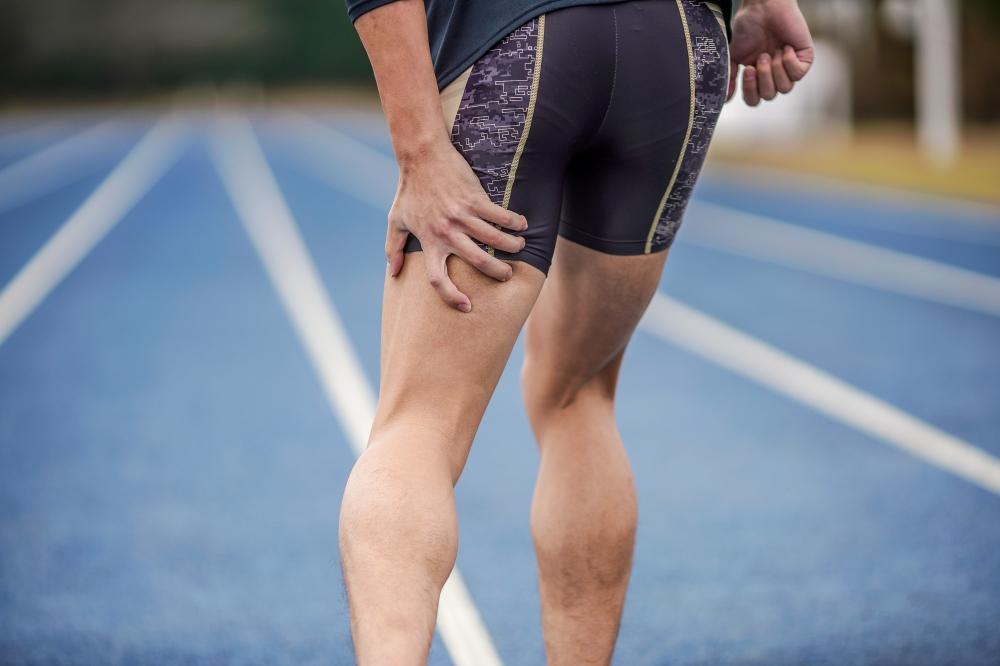
A runner coming back from a calf tear has completely different needs from a footballer recovering from a knee injury, who has different needs again from a swimmer dealing with a shoulder that has been grumbling for months. A good physiotherapist does not hand you a printed sheet of generic exercises and wish you luck. They build something specific to you, your injury, your movement patterns, and the exact thing you are working toward getting back to. Strength, flexibility and movements that actually mirror your sport are all introduced progressively as your body genuinely shows it is ready for the next step.
Finding Out Why the Injury Happened in the First Place
This is the part of the process in sports injury recovery that often gets overlooked but that honestly makes one of the biggest differences to what happens further down the road. Sometimes an injury really is just bad luck. An awkward landing, an unexpected collision, a genuinely unpredictable moment that nobody could have seen coming. But more often than people realise there is something else going on underneath.
If that underlying cause is not found and properly addressed, the risk of the same injury coming back, or something related developing nearby, stays high no matter how well the surface recovery goes. A thorough physiotherapy assessment looks at both levels. It gets you back from the injury in front of you while also identifying what contributed to it, so your return to sport is a return to a stronger and more resilient version of your body rather than just the same one that got hurt.
Knowing When You Are Actually Ready to Go Back to Your Sport
The question that sits at the top of every injured athlete’s mind from day one is when can I go back to normal life and definitely it is one the most significant questions in the whole process because getting the timing wrong causes real problems in both directions. Going back too early is one of the most common reasons sports injuries become recurring problems that follow people around for years. The pain may have gone and things may genuinely feel fine, but feeling fine and being physically ready to handle the full demands of training or competition are two different things entirely.
A physiotherapist can assess readiness properly using real movement and strength markers rather than just how something feels on a given day. The return to sport phase is then staged deliberately. Controlled light activity before full training. Familiar movements before the unpredictability of live play. Each step gives the tissue a chance to adapt and gives you a chance to rebuild genuine trust in the injured area before it faces the full reality of your sport again. This is not unnecessary caution. It is making sure that when you go back, you go back in a way that sticks.
Final Thoughts
A sports injury does not have to mean a long, demoralising, block against doing what you love. With the right support, the right plan, and someone in your corner who genuinely understands both your body and your sport, recovery can be faster and more complete than those first difficult days make it feel possible.
At Fit O Fine, the team works with people at every level, from competitive athletes to everyday gym-goers who just want their routine back, building genuinely personalised Sports Injury Recovery plans around your specific injury, your body, and the goals you care about.
Frequently Asked Questions
Q1. How soon should I see a physiotherapist after getting injured?
As soon as you can. Early assessment means you start recovering properly from the beginning rather than losing weeks guessing.
Q2. Will the physiotherapy treatment hurt?
It should not. Some techniques feel a little uncomfortable in tight areas but your physiotherapist always works within what you can handle.
Q3. How long does recovery usually take?
It depends on the injury. Minor strains can resolve in a few weeks while more significant injuries take longer.
Q4. Can physio help an old injury that never healed properly?
Absolutely. Old injuries that were never fully rehabilitated are very common and very treatable no matter how long ago they happened.
Q5. Do I need a referral to visit Fit O Fine?
No referral needed at all. Just get in touch with Fit O Fine directly and get started.